

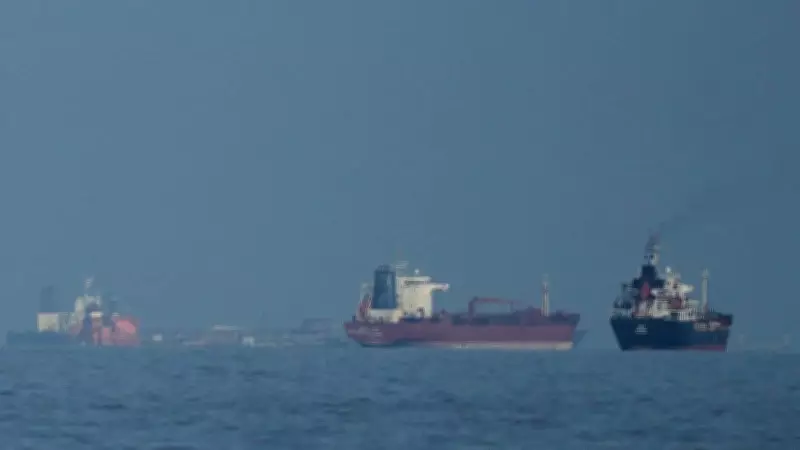
Iran Reinforces Control Over Strait of Hormuz, Criticizes Trump's Blockade Decision
Iran has significantly bolstered its military presence and control over the strategic Strait of Hormuz, a critical chokepoint for global oil shipments. This move comes in response to recent statements by former US President Donald Trump, who proposed a blockade of the waterway. Iranian officials have labeled Trump's suggestion as a clumsy and ignorant decision, escalating tensions in the region.
Heightened Military Presence in Vital Shipping Lane
The Iranian military has deployed additional naval assets and surveillance systems to monitor and secure the Strait of Hormuz. This reinforcement aims to assert Iran's sovereignty and ensure the free flow of maritime traffic, while also serving as a deterrent against external threats. The strait is a narrow passage connecting the Persian Gulf to the Gulf of Oman, through which approximately one-fifth of the world's oil passes daily.
Iranian officials emphasized that any attempt to disrupt this vital route would be met with a firm response.Criticism of Trump's Proposed Blockade
In a sharp rebuke, Iranian authorities condemned former President Donald Trump's call for a blockade of the Strait of Hormuz. They described the proposal as not only clumsy but also ignorant of international maritime laws and the geopolitical complexities of the region. This criticism underscores Iran's stance that such actions would violate global norms and threaten energy security worldwide.

Implications for Global Oil Markets and Regional Stability
The reinforcement of control over the Strait of Hormuz has immediate implications for global oil markets and regional stability. Any disruption in this area could lead to spikes in oil prices and heightened geopolitical risks. Iran's actions are seen as a defensive measure to protect its interests and counter perceived aggression from the United States and its allies.
- Increased naval patrols and surveillance in the strait.
- Potential for heightened tensions with US naval forces in the region.
- Impact on international shipping and energy supplies.
This development highlights the ongoing friction between Iran and the United States, with the Strait of Hormuz remaining a flashpoint in their broader geopolitical rivalry. Observers warn that miscalculations or provocations could lead to broader conflicts, affecting not only the Middle East but also global economic stability.






