

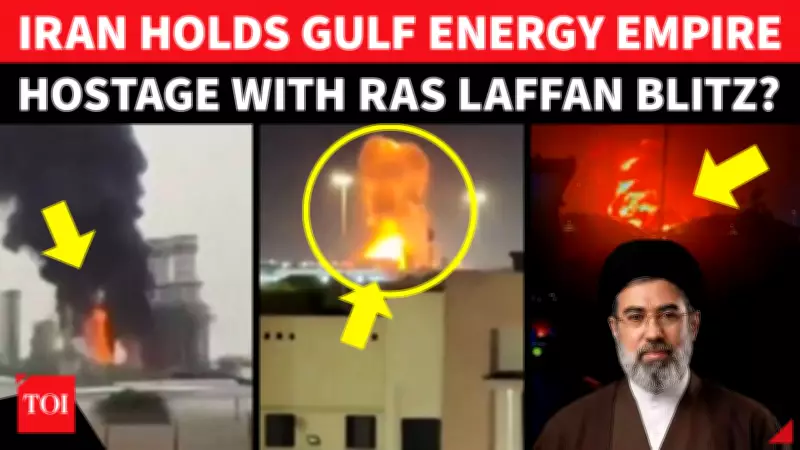
Iran Launches Retaliatory Strike on Qatar's Ras Laffan LNG Facility
In a dramatic escalation of regional tensions, Iran has unleashed a retaliatory strike on the world's largest liquefied natural gas (LNG) facility, Qatar's Ras Laffan complex. This aggressive move comes as a direct response to a previous attack on Iran's South Pars gas field, which Tehran attributes to Israel. The strike has sent shockwaves through the Gulf region and the global energy market, prompting immediate diplomatic and economic repercussions.
Qatar Expels Iranian Diplomats Amid Escalating Tensions
Furious over the attack on its critical energy infrastructure, Qatar has taken decisive diplomatic action by expelling Iranian diplomats from the country. The Qatari government issued a stern warning against what it termed a "dangerous escalation" of hostilities in the region. This expulsion marks a significant deterioration in relations between the two nations, which have historically maintained complex diplomatic ties despite regional rivalries.
Global Oil Prices Surge Following Attack
The immediate aftermath of the Ras Laffan facility strike has been felt in global energy markets, with the international oil benchmark Brent crude soaring to approximately $118 per barrel. This sharp price increase reflects market anxieties about potential disruptions to global LNG and oil supplies from the strategically vital Gulf region. Energy analysts are closely monitoring the situation, as prolonged instability could lead to sustained high prices and supply chain challenges.

Asia and Europe Brace for Energy Supply Impact
While the attack has rattled nations worldwide, Asia and Europe are particularly vulnerable to its consequences. Both regions rely heavily on LNG imports from the Gulf, with Qatar being a major supplier. European nations, already grappling with energy security concerns, now face additional pressure on their energy markets. Similarly, Asian economies dependent on Qatari LNG are evaluating contingency plans to mitigate potential supply disruptions.
Regional Security Implications and Broader Conflict
This strike represents a significant escalation in the ongoing shadow conflict between Iran and Israel, with Gulf nations increasingly caught in the crossfire. The attack on Ras Laffan follows a pattern of retaliatory actions targeting energy infrastructure across the region. Security experts warn that such strikes could trigger a broader regional conflict, drawing in multiple state and non-state actors. The international community is urging restraint, but with tensions running high, the risk of further escalation remains substantial.
The situation continues to evolve rapidly, with global leaders and energy markets anxiously awaiting developments. The strike on Ras Laffan has not only disrupted energy supplies but also heightened geopolitical tensions in one of the world's most strategically important regions.






