

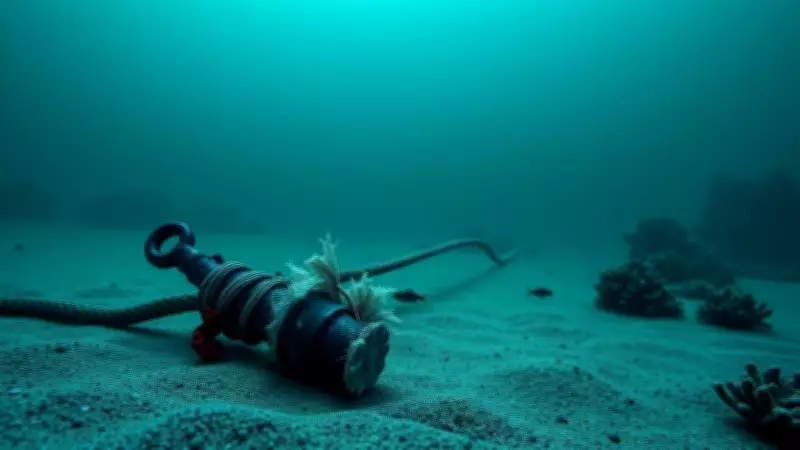
Iran Reportedly Threatens Undersea Internet Cables in Red Sea
Iran has reportedly issued threats to damage critical undersea internet cables located in the Red Sea, a strategic move that could severely impact internet speeds and digital connectivity across numerous countries worldwide. While this threat has not been officially confirmed by Iranian authorities or major intelligence agencies, several prominent social media figures and experts have highlighted the substantial vulnerability and potential consequences.
Expert Warnings Highlight Global Vulnerability
Notable voices, including Lebanese-Australian entrepreneur Mario Nawfal, have emphasized the reality of this threat. Nawfal stated, "Iran's now threatening to cut undersea internet cables if Gulf states keep hosting U.S. troops." He further explained that these cables carry approximately 17% of global internet traffic, connecting vital AI hubs in the UAE and Saudi Arabia backed by major tech giants like Amazon, Microsoft, and Google. The potential damage could lead to outages lasting months rather than hours, with Meta's contractor already withdrawing from the Persian Gulf region.
Adding to the concern, SungHoon Lee, recognized as the world's highest IQ holder at 276, claimed he warned about this vulnerability 18 days prior. In a social media post, Lee asserted, "I warned about this 18 days ago. Now Iran is threatening to CUT the undersea cables that carry 95% of ALL global internet traffic through the Strait of Hormuz. Not a hypothetical. Not a 'what if'. They SAID it." He urged immediate preparedness given the escalation from warning to potential reality.

What Are Red Sea Internet Cables and Their Significance?
Beneath the Red Sea lies a dense network of fiber optic cables responsible for carrying an estimated 30% of regional internet traffic. These cables serve as crucial connectors between continents such as Asia, Europe, and the Middle East, facilitating everything from financial transactions and cloud services to video calls, emails, and AI workloads. The infrastructure also supports some of the world's most significant emerging AI facilities, meaning damage would extend far beyond social media slowdowns.
Implications for India and Global Economy
India has particular reason for concern in this scenario. The undersea cables run through landing stations in multiple countries, including Oman, the UAE, Qatar, Bahrain, Kuwait, Iraq, Pakistan, India, and Saudi Arabia. Most of these nations, except India, are directly within or adjacent to the current conflict zone.
As one of the largest consumers of internet traffic globally, India relies heavily on data flows connecting its users to servers in West Asia, Europe, and beyond. A disruption to these cables would directly affect:
- Internet speeds across the country
- Reliability of cloud services
- Digital business operations and transactions
Given India's growing dependence on cloud infrastructure, digital payments, and AI-powered services, prolonged degraded connectivity could result in significant economic consequences. The situation is further complicated by reports that Alcatel Submarine Networks, the French state-owned company responsible for laying these cables, has issued force majeure notices to customers. Additionally, Bloomberg reported that the company's installation ship, the Ile De Batz, has been stranded off the coast of Dammam, Saudi Arabia, adding logistical challenges to maintenance and repair efforts.
This development underscores the fragile nature of global digital infrastructure and the far-reaching impacts of geopolitical tensions on everyday connectivity and economic stability.






