Iran Threatens To Shut Down Strait Of Hormuz; ‘If US Provokes, Khamenei Might…’
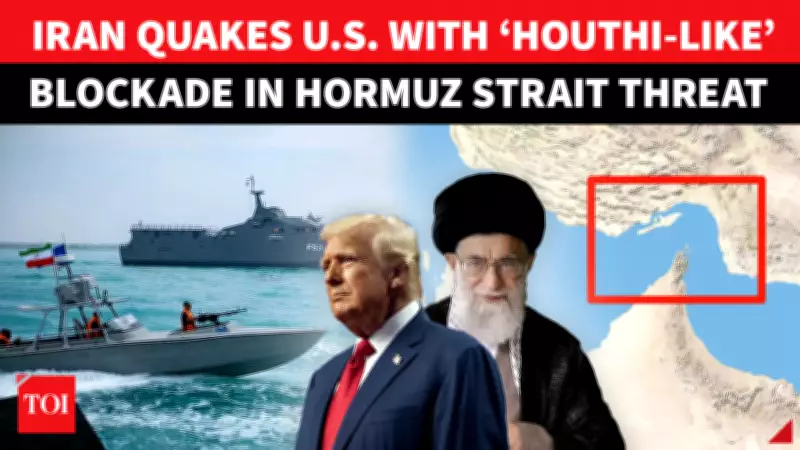
Tensions are surging dramatically as Iran edges perilously closer to the brink of total war, with the Strait of Hormuz—a vital artery for global oil transportation—facing an imminent threat of closure. This narrow waterway, through which approximately one-fifth of the world's oil passes, is rapidly transforming into a potential flashpoint that could ignite a broader regional or even global conflict.
High-Stakes Standoff and Global Implications
The situation has escalated to a critical level, with Iran's Revolutionary Guards declaring their readiness to act instantly if ordered by Supreme Leader Ayatollah Ali Khamenei. This bold declaration has sent shockwaves through global capitals, as nations brace for the economic and geopolitical fallout. The world watches with bated breath, energy markets tremble at the prospect of disruption, and every second counts in this high-stakes standoff that threatens to destabilize international trade and security.
If the United States provokes further, Khamenei might authorize the closure of the strait, a move that would severely impact oil supplies and trigger a spike in global prices. The Revolutionary Guards have emphasized their capability to execute such an order without delay, underscoring the seriousness of the threat. This development comes amid ongoing regional tensions and could potentially draw other nations into the fray, exacerbating an already volatile situation.

Broader Context and Related Developments
In related news, other global hotspots are also experiencing heightened tensions. For instance, Cuba flights have been affected as the U.S. tightens its energy blockade, while Russian tourists flee amid Moscow's deployment of aircraft. Additionally, conflicts in Ukraine continue to escalate, with reports of troops abandoning wounded soldiers under intense Russian fire. In the political arena, former U.S. President Donald Trump has criticized figures like AOC and Gavin Newsom, and called on Ukrainian President Volodymyr Zelensky to reach a deal with Russia. Meanwhile, Hillary Clinton has slammed Trump's policies, and security alerts have been triggered at Israeli Prime Minister Benjamin Netanyahu's office.
Furthermore, Iran has released an animated video targeting the Muwaffaq Salti Airbase in Jordan, hinting at potential targets if war breaks out. This adds another layer of complexity to the already tense regional dynamics, as nations assess their vulnerabilities and prepare for possible escalations.
The global community remains on edge, with diplomatic efforts intensifying to prevent a full-scale conflict. The closure of the Strait of Hormuz would not only disrupt oil flows but also challenge maritime security and international law, making this a pivotal moment in modern geopolitics. As Iran and the U.S. engage in a dangerous game of brinkmanship, the outcome could reshape energy markets and global alliances for years to come.