

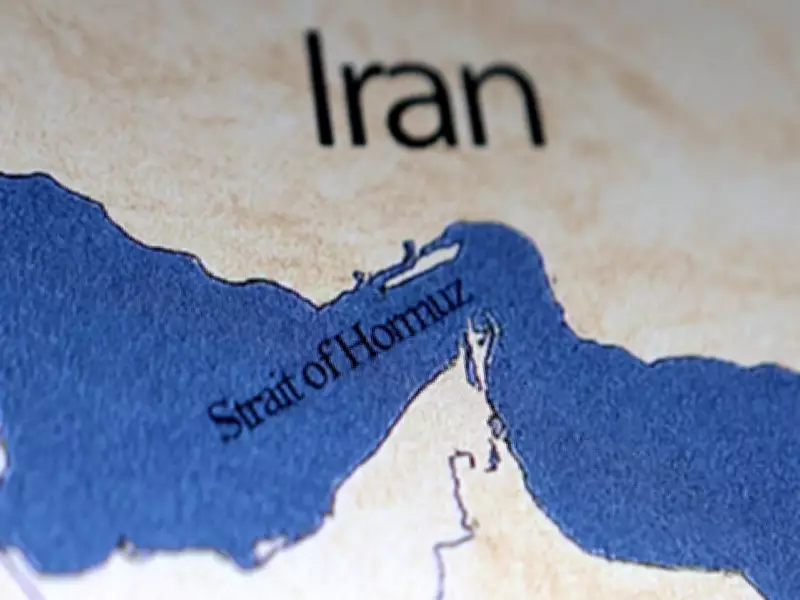
Iran Holds Firm on Strait of Hormuz Closure, Using Oil Chokepoint as Strategic Leverage
Recent intelligence assessments from the United States indicate that Iran is unlikely to reopen the strategically vital Strait of Hormuz in the near future. According to a Reuters report, Tehran views its control over this critical maritime passage as its primary leverage against the United States, especially in the context of the ongoing Middle East conflict.
Geographic Control and Blockade Tactics
Iran, which controls one side of the narrow strait, has effectively blockaded the route in response to strikes by the United States and Israel that ignited the current regional hostilities. The Strait of Hormuz is a crucial artery for global oil trade, with approximately 20% of the world's crude oil supply passing through its waters. This blockade has allowed Iran to disrupt maritime traffic significantly, aiming to keep global energy prices elevated.
By maintaining high oil prices, Iran seeks to increase pressure on U.S. President Donald Trump to end the nearly five-week war, which has faced criticism from American voters. Intelligence sources suggest that Iran can continue these disruptions to exert economic and political influence, leveraging the strait's importance to the global economy.

Trump's Response and Military Risks
President Trump has publicly downplayed the challenges of reopening the strait, asserting on Truth Social that U.S. forces could accomplish this task swiftly. In a post, he stated, "With a little more time, we can easily OPEN THE HORMUZ STRAIT, TAKE THE OIL, & MAKE A FORTUNE." However, analysts caution that any military action to secure the strait would be fraught with risks and high costs.
Iran's geographic advantage, combined with its advanced military capabilities, poses significant obstacles. Since the conflict began, Iran's Islamic Revolutionary Guard Corps has executed several aggressive tactics:
- Attacking commercial vessels with drones and missiles
- Deploying naval mines to threaten shipping lanes
- Imposing passage fees on vessels attempting to transit the strait
These actions have rendered the route unsafe, leading to a sharp reduction in traffic and pushing oil prices to multi-year highs. The resulting fuel shortages in countries reliant on Gulf exports have exacerbated global economic tensions, while also raising inflation risks in the United States ahead of midterm elections.
Strategic Implications and Long-Term Outlook
The conflict may have inadvertently strengthened Iran's regional position by demonstrating its ability to threaten a critical trade route. Intelligence sources indicate that Iran is unlikely to relinquish this leverage even after the war concludes. The strait's narrow geography—only 21 miles wide at its narrowest point, with shipping lanes about 2 miles wide in each direction—makes vessels easy targets for limited attacks that can disrupt transit.
Experts note that even if U.S. forces secure parts of the coastline, Iran could still disrupt shipping using long-range capabilities from within its territory. Tehran may also aim to retain control to bolster its negotiating position, secure deterrence against future conflicts, and generate revenue through transit fees for post-war reconstruction efforts.
In summary, the Strait of Hormuz remains a focal point in the U.S.-Iran standoff, with Iran leveraging its control to influence global energy markets and political dynamics. As the conflict persists, the strategic importance of this chokepoint continues to shape regional and international relations, highlighting the complex interplay between military power, economic pressure, and diplomatic maneuvering in the Middle East.






