

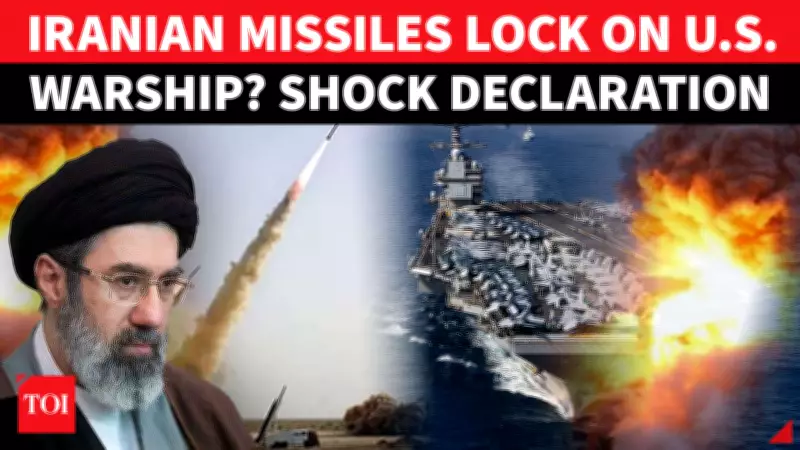
Iranian General Issues Stark Revenge Declaration After US Torpedo Attack
A senior Iranian military commander has issued a chilling vow of retaliation following a devastating torpedo attack by the United States military that resulted in the sinking of an Iranian warship in the Indian Ocean. The incident, which occurred on March 4, has escalated tensions dramatically between the two nations, with Tehran promising a response in kind.
Details of the Attack and Rescue Operations
According to Iranian Army Commander-in-Chief Amir Hatami, the IRIS Dena was struck by a torpedo fired from a US submarine while sailing through international waters. Hatami emphasized that the destroyer warship had just completed what he described as a peaceful mission and was en route back to Iran when it was targeted. The attack led to a significant loss of life and prompted immediate rescue efforts.
The Sri Lanka Navy played a crucial role in the aftermath, successfully rescuing 32 sailors from the treacherous waters. Additionally, recovery operations yielded 87 bodies from the sea, highlighting the severe human toll of the incident. This maritime confrontation marks one of the most direct military engagements between Iran and the US in recent years, raising alarms about potential broader conflict.

Iran's Response and Regional Implications
The Iranian general's revenge declaration underscores Tehran's determination to respond forcefully to what it perceives as an unprovoked aggression. The use of the term torpedo-style revenge suggests that Iran may be planning a similar asymmetric naval strike, potentially targeting US assets in the region. This development comes amid a backdrop of ongoing regional tensions, including conflicts involving Israel and Hezbollah, as well as Iran's previous threats against Gulf nations like the UAE.
Analysts warn that such a retaliatory move could further destabilize the already volatile Middle East, potentially drawing in other actors and escalating into a wider confrontation. The incident also reflects the persistent strain in US-Iran relations, which have been fraught with issues ranging from nuclear negotiations to oil sanctions.
Broader Context and International Reactions
This attack and Iran's subsequent threat occur within a complex geopolitical landscape. Recent events have included:
- Iranian warnings to the UAE about possible missile barrages.
- Hezbollah's aggressive posturing against Israel following bridge destructions.
- Explosions at Jewish institutions in Europe, such as a school in Amsterdam.
- Iran's mocking of US efforts to secure oil sanctions waivers from India.
- Previous Iranian retaliatory strikes on US military aircraft and oil sites.
These incidents collectively paint a picture of heightened military activity and diplomatic friction. The US has yet to issue a formal response to Iran's revenge declaration, but the situation is being closely monitored by global powers concerned about the potential for escalation. The financial costs of such conflicts, as highlighted by reports of billions spent by the US with no clear victory in sight, add another layer of complexity to the ongoing tensions.






