

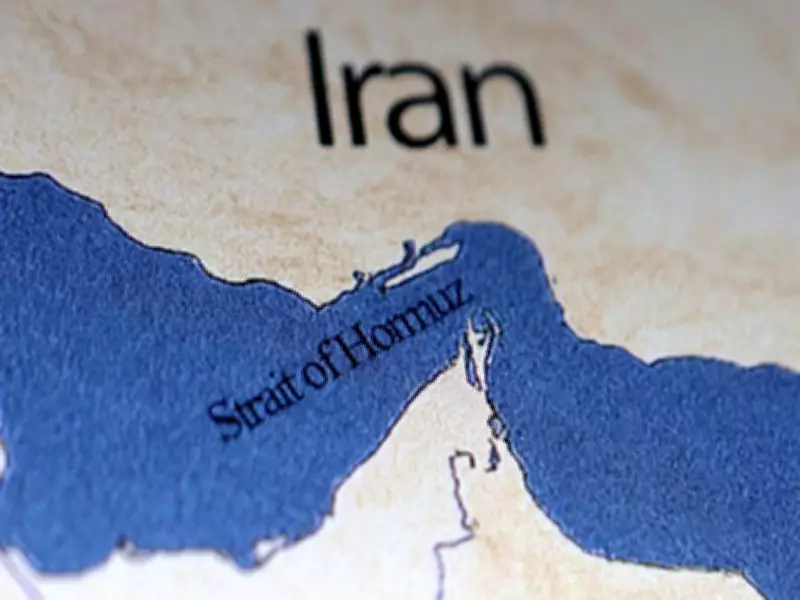
Iran's Firm Stance on Hormuz Strait Amid US Blockade Threats
In a significant declaration, a senior advisor to Iran's Supreme Leader, Ayatollah Ali Khamenei, has asserted that Iran will not withdraw from the strategic Hormuz Strait until its national rights are completely secured. This statement comes as a direct response to recent threats of a blockade by the United States, highlighting escalating tensions in the region.
Iran's Commitment to Maritime Security
The advisor emphasized Iran's unwavering commitment to maintaining control over the Hormuz Strait, a critical chokepoint for global oil shipments. He stated that Iran's presence in the strait is non-negotiable and will continue until all its legitimate rights, including economic and security interests, are fully protected. This position underscores Iran's determination to safeguard its sovereignty amid external pressures.
Background of US-Iran Tensions
The US has previously threatened to impose a blockade on Iran, citing concerns over nuclear activities and regional influence. Iran's response, as articulated by Khamenei's advisor, signals a firm rejection of such measures, framing them as violations of international law and Iran's rights. The advisor warned that any attempt to disrupt Iran's access to the strait would be met with resolute resistance, potentially destabilizing the already volatile Middle East.

Implications for Global Trade
The Hormuz Strait is a vital maritime route, with approximately one-fifth of the world's oil passing through it daily. Iran's stance could have far-reaching consequences for global energy markets and trade flows. Experts suggest that prolonged tensions might lead to increased oil prices and heightened security risks in the Gulf region, affecting economies worldwide.
Key Points from the Statement:
- Iran will not leave the Hormuz Strait until its rights are fully secured.
- The statement is a direct response to US blockade threats.
- Iran views its control over the strait as essential for national security.
- Any external interference could escalate regional conflicts.
Regional and International Reactions
Neighboring countries and international observers are closely monitoring the situation. Some regional allies of the US have expressed support for measures to counter Iran, while others call for diplomatic solutions to avoid military confrontation. The United Nations and other global bodies may need to intervene to prevent a crisis that could disrupt international peace and security.
In summary, Iran's firm declaration regarding the Hormuz Strait reflects its resolve to protect its interests against US pressures. As tensions simmer, the international community watches anxiously, hoping for de-escalation through dialogue rather than conflict.






