

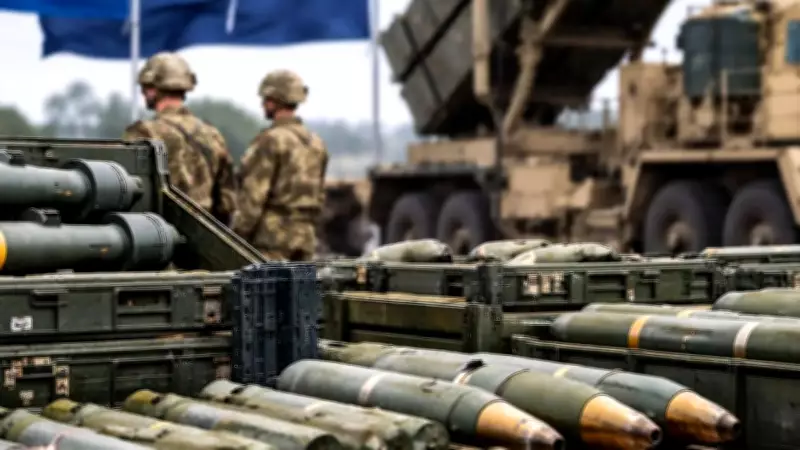
US Arms Supply Under Strain: Iran War Delays Weapons Shipments to NATO Allies
The United States has informed several European allies that deliveries of previously contracted weapons are likely to be delayed, as the ongoing war with Iran places increasing pressure on American arms stockpiles. According to five anonymous sources familiar with the matter, this development highlights growing strains on US military inventories after years of sustained support for Ukraine, continued backing for Israel, and the latest conflict involving Iran.
Deliveries Delayed Under Existing Contracts
US officials conveyed the expected delays to European counterparts through bilateral communications in recent days. The affected equipment includes various categories of ammunition and munitions that can be used for both offensive and defensive operations. The White House and the State Department referred questions to the Pentagon, which did not immediately respond to requests for comment.
The Foreign Military Sales (FMS) system, which allows foreign governments to purchase US-made weapons with Washington’s approval and logistical support, has long been a key pillar of US defence diplomacy and alliance management, particularly within NATO. However, delivery delays under this programme have become a recurring source of frustration among allied capitals, especially as security threats rise across Europe.

Iran War Deepens Pressure on US Stockpiles
The latest strain comes amid the conflict with Iran, which began after US-Israeli air strikes on February 28. Since then, Tehran has reportedly launched hundreds of ballistic missiles and drones at Gulf countries. Many of these attacks were intercepted using advanced air defence systems, including Patriot PAC-3 interceptors, a critical missile defence asset also heavily relied upon by Ukraine.
The heavy operational tempo in the Middle East has increased demand for precision-guided munitions, missile interceptors, air defence rounds, and naval ammunition, all of which require significant time and industrial capacity to replenish. US officials cited by Reuters said some of the delayed weapons are being prioritised for the war effort in the Middle East, further exacerbating supply chain issues.
Europe Faces Strategic Uncertainty
Sources indicate that some affected European countries share borders with Russia, making the pace and timing of military deliveries especially sensitive. For eastern flank NATO members, rapid access to ammunition, air defence systems, and replacement stocks has become central to deterrence planning since Russia’s invasion of Ukraine in 2022.
European officials have privately complained that these delays place them in a difficult position, particularly at a time when governments are increasing defence spending and trying to modernise armed forces. This issue could intensify debates inside Europe about reducing reliance on American suppliers and accelerating domestic arms manufacturing to ensure greater self-sufficiency.
Longstanding Strain Before Iran Conflict
Even before the latest war, the United States had already drawn down billions of dollars worth of stockpiles. Since Russia invaded Ukraine in 2022, Washington has transferred artillery systems, shells, anti-tank missiles, air defence equipment, and other military supplies to Kyiv. US inventories were further pressured after Israel’s military operations in Gaza began in late 2023, increasing demand for additional munitions and support packages.
Analysts have repeatedly warned that while the US remains the world’s largest defence producer, surging global demand has exposed limits in surge manufacturing capacity, making it challenging to meet simultaneous crises.
Gulf Allies Already Seeking Alternatives
The broader impact of supply pressures is already visible in the Gulf, where US allies are reportedly diversifying defence procurement. Recent reports indicate countries such as Saudi Arabia, the United Arab Emirates, and Qatar have sought faster deliveries from alternative suppliers including the United Kingdom, South Korea, and Ukraine.

These efforts include interest in missile defence systems, interceptor drones, low-cost anti-drone missiles, and rapid-deployment ammunition packages. The shift suggests that traditional US partners are increasingly focused on delivery speed and stock availability rather than relying solely on long-term procurement ties with Washington.
Trump Push for Burden Sharing Faces Test
The delays also come against the backdrop of President Donald Trump’s long-running demand that European NATO members assume greater responsibility for their own conventional defence. Washington has encouraged allies to purchase more US-made equipment while simultaneously spending more on military readiness. However, persistent delays could complicate that strategy if European governments begin favouring locally produced systems that can be delivered faster.
For many NATO states, the current moment underscores a difficult reality: dependence on US systems offers technological advantages, but not always immediate availability during simultaneous global crises.
What Comes Next
The Pentagon has not publicly detailed which weapons systems or countries are most affected, and the timeline for resumed deliveries remains unclear. Much may depend on whether the Iran conflict de-escalates, how quickly US production lines can expand, and whether Congress approves further defence industrial funding.
For now, the message reaching allied capitals is clear: America’s military supply chain is under significant pressure, and even close partners may have to wait for critical arms shipments, raising questions about future defence collaborations and strategic autonomy.





