

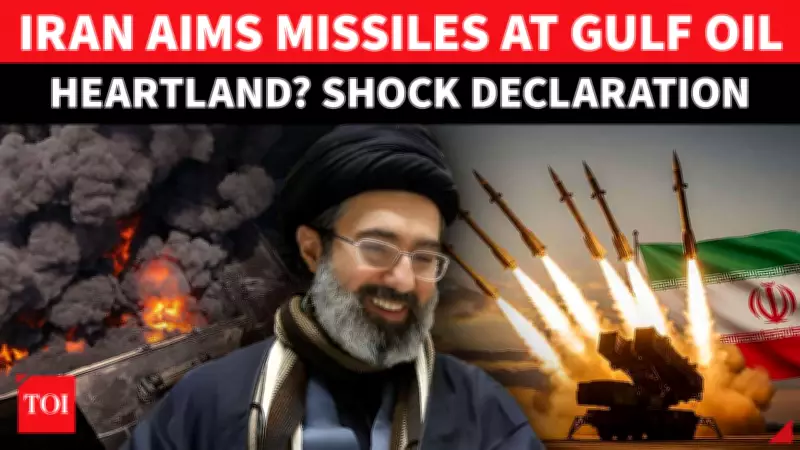
Iran Issues Stark Warning of 'Total Destruction' to Gulf Oil Hubs
In a dramatic escalation of regional tensions, Iran has issued a chilling threat to plunge the entire Middle East into darkness and destroy key oil hubs if the United States or Israel targets its power plants. This warning comes just days after Iran launched a significant missile barrage aimed at Israel's nuclear facilities around Dimona and the town of Arad.
Background of the Escalating Conflict
The recent missile attacks by Iran were reportedly in retaliation for an Israeli-backed strike on Iran's Natanz nuclear enrichment facility. This tit-for-tat exchange has heightened fears of a broader conflict in the region, with both sides demonstrating their military capabilities and willingness to engage in aggressive posturing.
Iran's specific threat focuses on the potential consequences of any US or Israeli action against its power infrastructure. Iranian officials have stated that such an attack would trigger a response leading to the "total destruction" of oil hubs across the Gulf, which are critical to global energy supplies. This move could have devastating economic and geopolitical repercussions worldwide.

Implications for Global Stability
The threat to oil hubs underscores the high stakes involved in the ongoing tensions. The Gulf region is a major supplier of oil, and any disruption could lead to:
- Spikes in global oil prices
- Increased instability in international markets
- Potential military confrontations involving other nations
This development follows a series of aggressive actions, including Iran's use of advanced drones and missiles, as highlighted in recent reports. For instance, Iran fired an Arash-2 drone to strike Ben Gurion Airport, causing shock within the Israeli Defense Forces (IDF). Additionally, there have been claims about Iran's missile capabilities reaching up to 4000 kilometers, potentially threatening European cities like Paris, Rome, and Berlin.
International Reactions and Diplomatic Moves
Amid these threats, international actors are closely monitoring the situation. Russia has declared its loyalty to Iran, with President Putin making a war declaration as the US deploys ground troops to the Middle East. In a surprising turn, the US was reportedly forced to lift oil sanctions under global pressure, marking a potential victory for Iran and putting former President Trump on the defensive.
The situation remains fluid, with both sides preparing for possible further escalations. Iranian missiles have already reached the heart of Israel's secret nuclear program, raising alarms about the danger of the war zone expanding. Videos and reports from the ground depict apocalyptic scenes, with nearly 100 casualties reported in Arad city after Iran's biggest attack on Israel.
As tensions simmer, the world watches anxiously, hoping for diplomatic solutions to prevent a full-scale conflict that could have catastrophic consequences for regional and global stability.






