

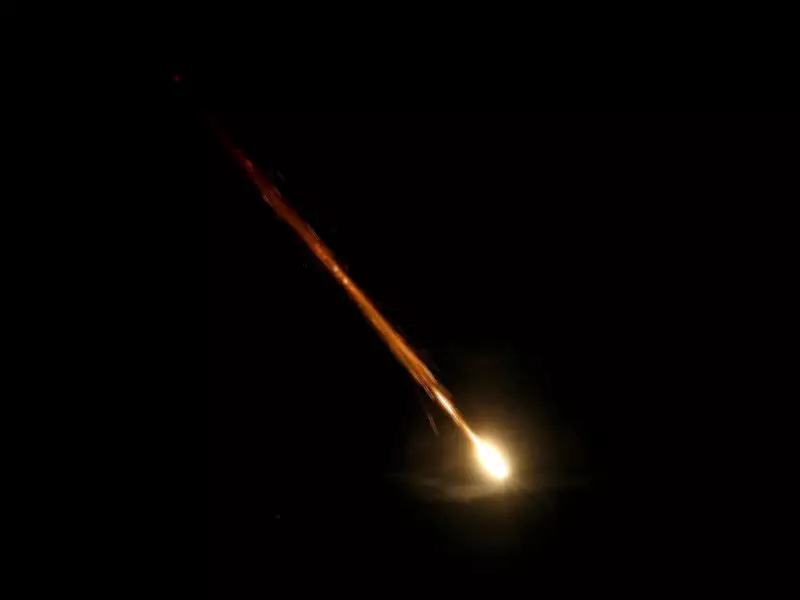
Iran Issues Global Warning as US-Israel War Enters Third Week
Iran has escalated its rhetoric in the ongoing conflict, threatening to expand retaliatory attacks to include recreational and tourist destinations worldwide. This stark warning comes as the war involving the United States and Israel enters its third week, with tensions rapidly spreading beyond the Middle East.
Military Spokesman Issues Dire Warning
According to reports from Al Jazeera, Iran's top military spokesman, General Abolfazl Shekarchi, delivered a chilling message: "parks, recreational areas and tourist destinations" worldwide will not be safe for Iran's enemies. This represents a significant escalation in Iran's threat posture, suggesting a potential shift toward asymmetric warfare tactics on a global scale.
The warning has reignited international concerns that Tehran may employ unconventional attacks beyond regional boundaries as a pressure tactic against adversaries. Security analysts note this represents a dangerous broadening of potential targets in an already volatile conflict.

Energy Infrastructure Under Attack
Iran has already intensified attacks on energy sites in Gulf Arab states following Israel's bombing of Iran's massive South Pars offshore natural gas field earlier this week. In one particularly significant incident, two waves of Iranian drones attacked the Mina Al-Ahmadi oil refinery in Kuwait early Friday, sparking a substantial fire.
The targeted refinery represents critical regional infrastructure, capable of processing approximately 730,000 barrels of oil daily, making it one of the largest facilities in the Middle East. This attack demonstrates Iran's willingness to target economically vital assets in neighboring countries.
Oil Market Implications
Meanwhile, Iran has made a significant statement regarding its oil exports. Oil Ministry spokesperson Saman Ghoddoosi declared that "Currently, Iran basically has no surplus crude oil left on the water or for supply in other international markets." This statement came in response to remarks by US Treasury Secretary Scott Bessent suggesting Washington might ease restrictions on Iranian oil at sea.
Ghoddoosi characterized the US Treasury secretary's statement as "solely aimed at giving hope to buyers," indicating Tehran's skepticism about potential policy shifts amid the ongoing conflict.
Additional Threats to Gulf Neighbors
Iran has also issued specific warnings to the United Arab Emirates, threatening to target Ras al-Khaimah if Iranian Gulf islands face attacks from UAE territory. A spokesperson stated clearly: "We warn the United Arab Emirates, in case of repeated encroachment from the source of that country to the Iranian islands ... in the Persian Gulf, the powerful Iranian armed forces will put Ras al-Khaimah ... under their crushing blows."
The strategic importance of these islands cannot be overstated—they are located near the Strait of Hormuz, through which approximately one-fifth of the world's oil and gas flows. This vital shipping lane represents a potential choke point in global energy markets.
Earlier this month, the UAE reported successfully intercepting a drone, with debris falling in the al-Hamra village area of Ras al-Khaimah, highlighting the ongoing nature of these regional tensions.
Broader Implications
The escalation of threats to include global tourist destinations represents a concerning development in the conflict. Security experts identify several key implications:
- Potential expansion of conflict zones beyond traditional Middle Eastern battlegrounds
- Increased risks to civilian infrastructure worldwide
- Possible impacts on global tourism and travel industries
- Heightened security concerns at popular international destinations
- Further strain on diplomatic efforts to contain the conflict
As the conflict enters its third week, these developments suggest a dangerous broadening of both rhetoric and potential targets. The international community faces increasing pressure to address these escalating threats while working toward de-escalation in a rapidly evolving security landscape.






