

Iran Issues Stark Warning to US Over Potential Military Action
In a dramatic escalation of regional tensions, Iran has issued a direct warning to the White House, stating it will launch strikes against United States military bases across the Middle East if President Donald Trump orders an attack on Iranian territory. This stark threat follows the recent breakdown of crucial nuclear negotiations between the two long-standing adversaries.
Foreign Minister Outlines Retaliatory Strategy
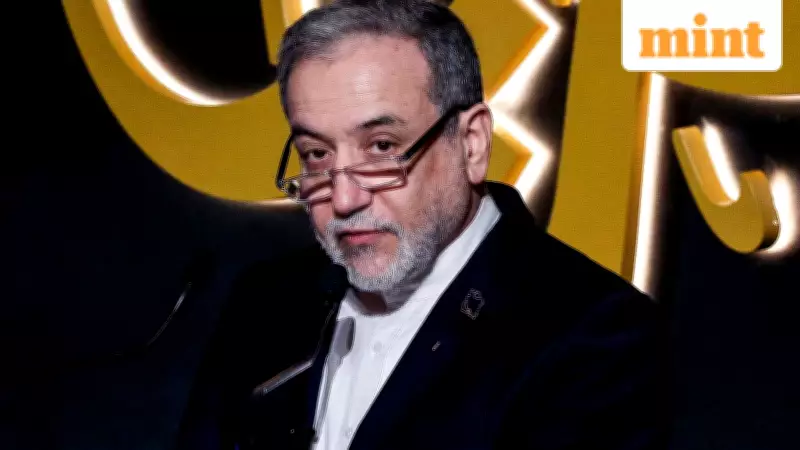
Iranian Foreign Minister Abbas Araghchi delivered the warning in an interview with Al Jazeera television on Saturday, February 7. He explicitly stated that while an attack on American soil might not be feasible, Iranian forces would precisely target US installations stationed within neighboring countries.
"It would not be possible to attack American soil, but we will target their bases in the region," Araghchi declared. He emphasized a critical distinction in Iran's planned response, adding, "We will not attack neighboring countries, rather we will target US bases stationed in them. There is a big difference between the two."

Nuclear Talks: A Cautious Start Followed by Stalemate
Earlier, Araghchi had described indirect nuclear discussions held in Muscat as "a good start," noting there was an opportunity for diplomatic engagement with the American delegation. However, he tempered optimism with realism, stating, "There is a long way to go to build trust," and confirmed that negotiations would resume "soon."
President Trump also initially expressed a positive outlook, calling the discussions "very good" and pledging another round of talks for the following week. Despite these cautious diplomatic signals, the talks ultimately concluded on Friday, February 6, without an agreement. The core impasse centered on Iran's refusal to compromise on its uranium enrichment program, a key demand from the United States as part of a broader deal addressing ballistic missile development and Tehran's support for proxy groups across the region.
US Ramps Up Economic and Military Pressure
Concurrent with the diplomatic efforts, the United States moved to intensify economic pressure on Iran. President Trump signed an executive order calling for the imposition of tariffs on nations continuing to conduct business with Tehran. Additionally, the US announced a new round of sanctions targeting several shipping entities and vessels, a clear strategy aimed at curtailing Iran's vital oil exports.
The military posture also hardened significantly. Shortly after the negotiations collapsed, the US demonstrated its readiness by deploying fighter jets on a flight over the Arabian Sea. Tensions have already spilled into direct military encounters earlier in the week, with US forces shooting down an Iranian drone after it "aggressively approached" the USS Abraham Lincoln, according to US Central Command.
Regional Military Buildup and Historical Context
American forces have amassed what officials described as a "massive armada" in the region in recent weeks, prominently featuring the Abraham Lincoln Carrier Strike Group. President Trump has previously warned that the US could strike Iran if a deal is not reached, citing Tehran's nuclear activities and its crackdown on anti-regime protesters.
The current standoff echoes recent conflicts. It follows US strikes on Iranian positions during Israel's 12-day war with Tehran-backed forces in June. Iran responded at that time with a missile attack on a US military base in Qatar, despite Doha's close diplomatic ties with both Washington and Tehran, underscoring the volatile and complex nature of regional alliances and hostilities.






