

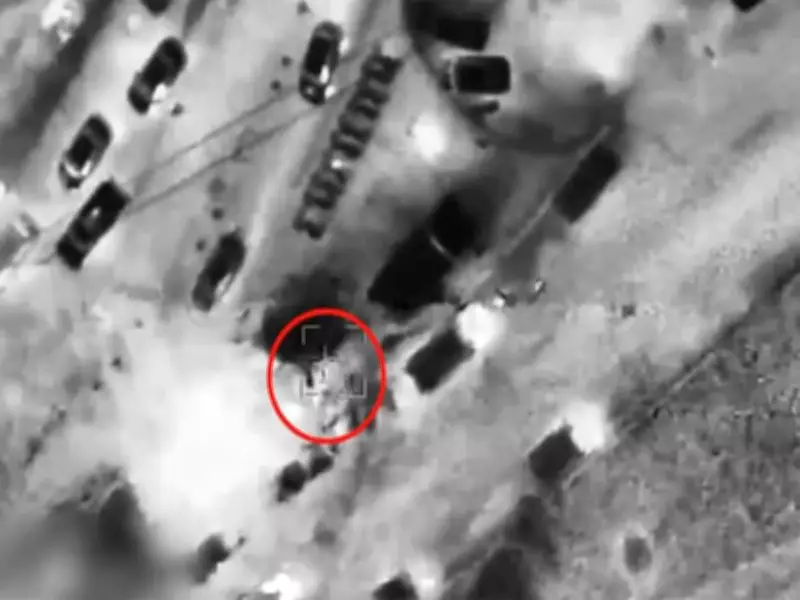
Iranian Space Research Centre Destroyed in US-Israel Strike
In a significant escalation of the ongoing conflict, the Iranian Space Research Centre has been completely destroyed in a coordinated strike by the United States and Israel, as reported by Al Jazeera on Sunday. The attack, part of a broader military operation, has reduced the key scientific facility to rubble, marking a severe blow to Iran's space technology ambitions.
Details of the Attack and Its Impact
The Iranian Space Research Centre, operating under the Iranian Space Agency, was a pivotal institution focused on advancing space technology and research in Iran. It specialized in satellite development, space science, and aerospace engineering, conducting critical research on satellite design, remote sensing, telecommunications, and space exploration technologies. The centre also played a vital role in training scientists and engineers through collaborations with universities and research institutions, aiming to bolster Iran's technological capabilities and expand its presence in space research and satellite-based applications.
The destruction of this facility occurred amid a conflict that has now entered its third week, evolving into one of the most serious geopolitical confrontations in recent history. The strike is part of a series of coordinated airstrikes launched by the US and Israel on February 28, under what Israel termed Operation Roaring Lion. This operation targeted multiple Iranian sites, including military facilities, nuclear installations, and leadership compounds in cities like Tehran, and resulted in the death of Supreme Leader Ayatollah Ali Khamenei.

Background and Escalation of the Conflict
The conflict stems from years of escalating tensions over Iran's nuclear programme, missile development, and its support for armed groups across the Middle East. Diplomatic efforts in early 2026 to curb Iran's nuclear ambitions collapsed, leading to the current military confrontation. In response to the initial strikes, Iran launched a large-scale retaliation, firing hundreds of ballistic missiles and drones toward Israeli cities and US military bases in the region, including those in Bahrain, Qatar, Kuwait, and the United Arab Emirates. These attacks have caused casualties and significant infrastructure damage, with some missiles breaching Israel's advanced defence systems and hitting populated areas.
Regional and Global Implications
The war has expanded beyond the immediate parties, with Iran-backed groups like Hezbollah in Lebanon intensifying rocket attacks on Israel, prompting Israeli airstrikes on Lebanese targets and raising fears of a wider regional war. Additionally, the conflict has threatened maritime security in the Strait of Hormuz, a critical route for global oil supply. Disruptions in this area have driven up international oil prices and sparked concerns about energy security worldwide.
The humanitarian impact is severe, with airstrikes in Iran damaging civilian infrastructure such as schools, hospitals, and residential areas, while missile attacks in Israel have also affected civilian neighbourhoods. Gulf countries are facing economic pressures due to attacks on shipping routes and energy infrastructure. The conflict remains ongoing with no clear resolution in sight, as international organisations and governments call for de-escalation and renewed diplomacy. However, with both sides continuing military operations and accusing each other of aggression, the risk of a prolonged regional war with significant global consequences looms large.






