Iran's De Facto Leader Ali Larijani Killed Amid Escalating US-Israeli Conflict
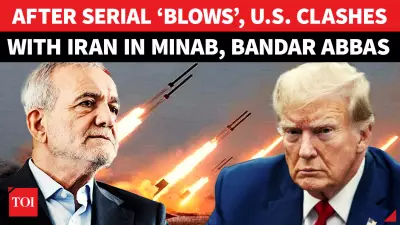
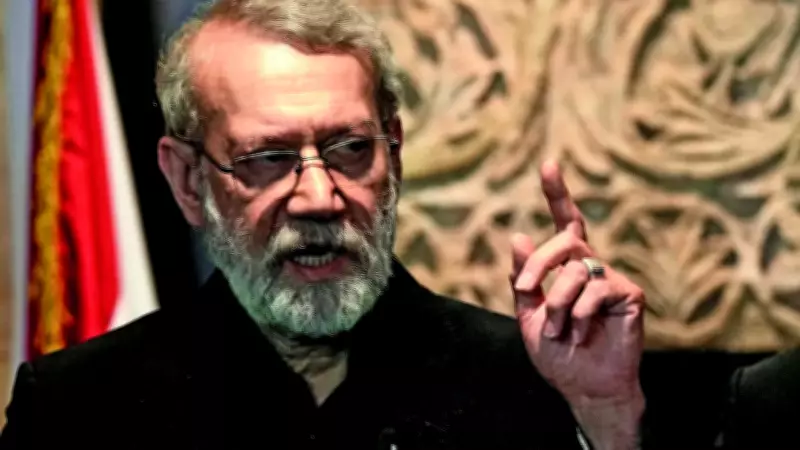
Ali Larijani, Iran's top national security official and the country's de facto leader, has been confirmed dead, marking the latest senior Iranian figure targeted since the US-Israeli war with Iran began on February 28. The conflict has intensified, with the United States pounding Iranian missile sites near the strategic Strait of Hormuz using 5,000-pound munitions, citing risks to shipping, while Iran retaliated with cluster bomb attacks on Tel Aviv. Iranian President Masoud Pezeshkian has offered condolences following Larijani's death, as the nation grapples with significant leadership losses.
Larijani's Rise and Role in Iran's Political System
At 67 years old, Larijani effectively ran Iran behind the scenes, emerging as a defiant public voice after the deaths of Supreme Leader Ayatollah Ali Khamenei and other senior officials in US-Israeli strikes. A trusted confidant of Khamenei, Larijani was part of a group tasked by the supreme leader with devising a plan to ensure the Islamic Republic's survival in the event of his assassination, according to senior Iranian officials and members of the royal guards. Born in Najaf, Iraq, in 1957 to a prominent Shia cleric close to Ayatollah Ruhollah Khomeini, Larijani's family has wielded influence for decades, often compared to the Kennedys in the United States.
His brothers include Sadeq, who served as head of Iran's judiciary, and Mohammad Javad, a senior diplomat who advised Khamenei on foreign affairs. Larijani himself was a conservative force within Iran's theocracy, known for hard-line threats and roles such as culture minister in the 1990s, where he tightened censorship, parliament speaker from 2008 to 2020, and most recently as head of the Supreme National Security Council. In 2021, he negotiated a 25-year comprehensive strategic deal with China worth billions, showcasing his diplomatic prowess.

Expanding Influence and Internal Dynamics
Before the US-Israeli assault began last month, Larijani's portfolio expanded significantly. He was responsible for suppressing recent protests demanding an end to Islamic rule, deploying lethal force to crush demonstrations and maintaining a tight lid on dissent. As a key liaison with Iran's allies, including Russia, Qatar, and Oman, he oversaw nuclear negotiations with Washington and devised plans for managing Iran during a potential war with the United States. Larijani often acted as the public face of the government, engaging in TV interviews and maintaining a social media presence with selfies and public appearances.
His rise partly sidelined President Masoud Pezeshkian, a moderate figure within the leadership. Despite being one of Khamenei's closest advisers, Larijani was not a candidate to succeed him due to not being a senior Shia cleric, a fundamental qualification. However, he had a reputation for bridging hard-line military elements and moderate political factions, making his killing a potential catalyst for the military to tighten its grip over the ruling system. Internally, Larijani pushed for a moderate new supreme leader to replace Khamenei, but lost the argument to Mojtaba Khamenei, the ayatollah's son, as reported by the New York Times this week.
Legacy and Future Implications
Larijani's death could open the way for increased military dominance in Iran's political landscape. Though a veteran conservative, he was seen as a relative pragmatist within a system increasingly dominated by hard-liners. He had run in the 2005 presidential elections, losing to Mahmoud Ahmadinejad, and held a PhD in Western Philosophy from the University of Tehran, authoring at least six philosophy books, including three exploring Immanuel Kant's works. His killing adds to the turmoil in Iran, with ongoing conflicts and power shifts likely to influence regional stability and international relations in the coming months.