

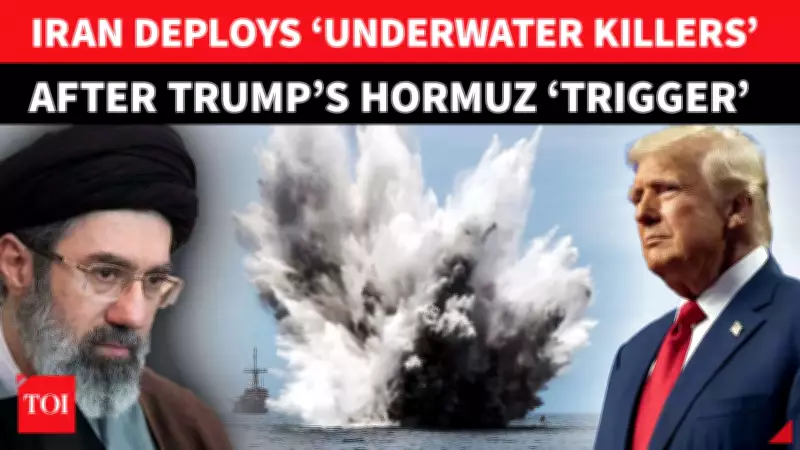
Iran's Covert Drone Fleet Poses Major Threat to Global Oil Supply in Strait of Hormuz
March 11, 2026 – The Strait of Hormuz, recognized as the world's most critical energy chokepoint, is emerging as a central flashpoint in escalating tensions between Iran, the United States, and other regional powers. Analysts are issuing urgent warnings that Tehran is actively deploying a sophisticated and hidden network of asymmetric weapons. This strategic move is designed to challenge advanced naval forces without relying on traditional warships, potentially altering the balance of power in this volatile region.
Advanced Asymmetric Weapons Deployed
Iran's arsenal includes a range of advanced systems that could overwhelm defenses in the narrow and strategically vital waterway. Key components of this network are the Azhdar unmanned underwater vehicle, which operates stealthily beneath the surface, and coordinated drone swarms capable of saturating air defenses. Additionally, Iran is bolstering its capabilities with fast attack boats for rapid strikes, naval mines to obstruct shipping lanes, and anti-ship missiles for long-range precision attacks. This multi-layered approach creates a formidable challenge for any naval force attempting to secure the strait.
Global Economic Implications
The stakes are extraordinarily high, as nearly 20 percent of global oil shipments pass through the Strait of Hormuz. This vital corridor is essential for the energy supplies of numerous countries, making it a linchpin of the world economy. Experts fear that even limited disruptions, such as a temporary blockade or targeted attacks on tankers, could trigger major economic shocks. Such events would likely send energy prices surging worldwide, impacting everything from transportation costs to household budgets, and potentially leading to inflationary pressures across global markets.

Rising Tensions and Regional Dynamics
The deployment of these weapons comes amid a backdrop of heightened geopolitical friction. Recent incidents and provocative statements have exacerbated tensions, with Iran positioning itself to assert control over the strait. The situation is further complicated by the involvement of regional powers and the ongoing strategic competition between Iran and the United States. This environment increases the risk of miscalculation or escalation, which could quickly spiral into a broader conflict with devastating consequences for global stability and energy security.
In summary, Iran's hidden drone fleet and asymmetric warfare capabilities represent a significant and growing threat to the global oil lifeline in the Strait of Hormuz. As tensions continue to surge, the international community faces the urgent challenge of mitigating risks to ensure the free flow of energy and prevent economic turmoil on a worldwide scale.






