Iran's Ramadan Observance Marked by Grief and Defiance Following Anti-Regime Protests
As Muslims worldwide commenced the holy month of Ramadan on Wednesday, the typical fervor and spiritual enthusiasm associated with this sacred period are notably subdued in Iran, according to accounts from Iranians residing in India and Western nations. Members of the diaspora have conveyed to media outlets that numerous families in their homeland are grappling with profound grief and anguish in the aftermath of recent anti-regime protests and the tragic loss of loved ones, resulting in a significant transformation in how Ramadan is being observed this year.
Diaspora Voices Reflect Deep Anguish and Defiant Acts
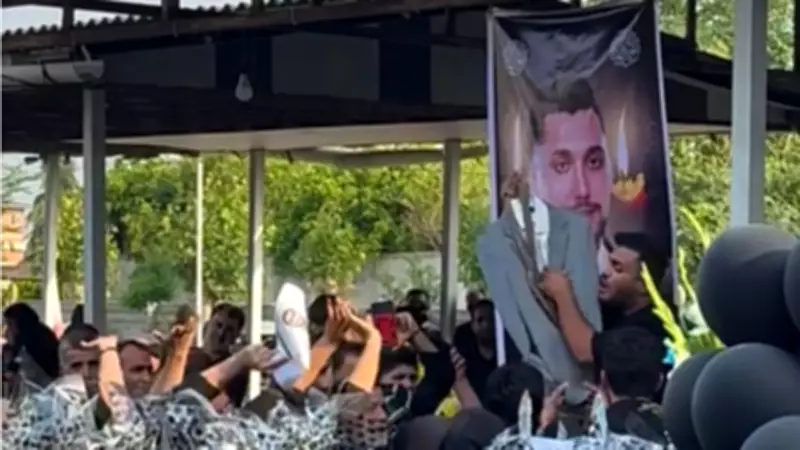
Mohammed, an Iranian who has lived in Delhi for nearly a decade and requested to be identified only by his first name, described conversations with his family that reveal deep-seated anger and sorrow. "How could we mark the month when there have been so many deaths during the recent anti-regime protests?" he questioned. He elaborated that instead of traditional Ramadan rituals, many Iranians are observing the martyrdom of their dear ones by gathering at gravesites, singing, and even dancing. This act of defiance aims to demonstrate to the regime that the killing of protesters has not silenced dissent but has instead inspired more people to stand up peacefully.
Mohammed added that videos shared by his relatives depict families clapping and singing at grave sites, a departure from previous practices where mourning involved wearing black. "Now, many are suppressing visible sorrow and choosing symbolic gestures of resistance. Through that act, they are challenging the regime," he explained. Independent verification of these claims has revealed several such videos showing families engaging in these activities near the graves of relatives allegedly killed during the unrest.

Claims of Widespread Deaths and Changing Observances
Bahaar Ghorbani, another Iranian living in India, asserted that nearly 40,000 people, including women and children, were killed during the protests. She noted that in recent years, more individuals have been openly eating during fasting hours as a mark of dissent, with authorities no longer strictly enforcing fasting rules. "This time, the mood is even more intense because of the mass killings. Ramadan feels different," she stated, highlighting the heightened emotional atmosphere.
Economic Hardship and Anxiety Further Dampen Spirit
Helma, an Iranian based in Hyderabad, pointed to economic hardship as another factor contributing to the subdued Ramadan atmosphere. "Many people cannot afford basic food items. There is also anxiety over a possible war with the US, which people fear would worsen the situation. In such circumstances, people are struggling to focus on religious observances," she added, underscoring the multifaceted challenges facing Iranians.
Background of Unrest and Crackdown
In December last year, demonstrations erupted across several Iranian cities amid widespread unrest directed at the government and mounting economic distress. Observers described this upheaval as the most significant challenge to the establishment since the 1979 Islamic Revolution. The subsequent security crackdown involved the use of live ammunition against protesters, with rights groups and activists alleging that the violence led to tens of thousands of deaths, characterizing it as among the deadliest episodes in Iran's modern history.
This confluence of grief, defiance, economic struggle, and political tension has reshaped the Ramadan experience in Iran, turning a time of spiritual reflection into one of mourning and resistance for many families.