Former Diplomat Sinha: Iran's Resilience in War of Attrition Surprises Global Powers
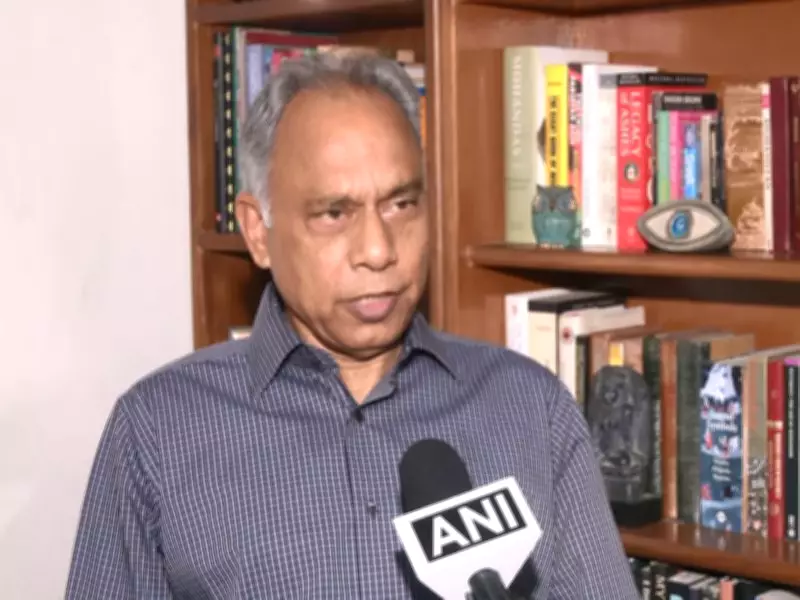
Former Indian Permanent Representative to the United Nations in Geneva, Dilip Sinha, has provided a detailed analysis of the ongoing conflict involving Iran, suggesting it is evolving into a prolonged war of attrition. In an interview with ANI, Sinha emphasized that Iran's ability to withstand intense pressure from the United States and Israel has caught many observers off guard.
Iran's Extensive Preparations and Decentralized Strategy
Sinha pointed out that Iran's resilience stems from years of meticulous preparation. "Iran has surprised everybody with its capacity to hold on against such a superpower as the US and a very powerful country like Israel," he stated. This preparation includes not only the acquisition and strategic placement of drones and missiles but also innovative storage methods that make these assets difficult to target.
He further explained that Iran has implemented a decentralized decision-making process, which has proven crucial in maintaining operational continuity despite significant losses. "Even when the top leadership was wiped out, and now Larijani has been killed, Iran's decision-making capacity has not been crippled," Sinha noted, referring to the recent killing of a key security figure. This structural resilience allows Iran to continue attacks and sustain the conflict, dragging it into a protracted engagement.

Implications for India's Energy Security
Shifting focus to regional impacts, Sinha highlighted India's vulnerabilities due to its heavy reliance on Gulf crude oil. He referenced Prime Minister Modi's recent discussions with the UAE President, underscoring concerns about the Strait of Hormuz, a critical chokepoint currently affected by the conflict. "We are heavily dependent on crude oil from the Gulf, and the Strait of Hormuz is a very narrow strait. It is closed right now," he warned.
To mitigate these risks, Sinha advocated for greater self-reliance and diversification of energy sources. He cited examples like pipelines from the UAE to Fujairah and Saudi Arabia to the Red Sea, which bypass the Strait of Hormuz. "This is something that we should focus on to ensure that we are not dependent on the strait for our oil imports," he urged, also calling for reduced dependence on foreign oil to avoid vulnerabilities in supply chains.
Regional Tensions: Pakistan-Afghanistan Conflict
Sinha also addressed escalating tensions between Pakistan and Afghanistan, condemning a recent airstrike by Pakistan that reportedly killed 400 civilians in a hospital. He described the incident as "a particularly bad and very macabre kind of thing to have done" and criticized Pakistan's duplicitous stance on terrorism. "If Pakistan claims the right to strike at terror camps, then it must concede to India also the right to strike at its own terror camps," he argued, pointing to underlying territorial disputes and governance issues.
He suggested that resolution requires both countries to abandon extraterritorial claims and embrace diplomacy, along with administrative measures like decentralisation to foster peace. On India's response, Sinha noted swift condemnation of the attack as cowardly, emphasizing the importance of upholding human values.
International Response and Future Outlook
Regarding the role of international bodies, Sinha expressed skepticism about the United Nations' effectiveness, noting its political nature and the preoccupation of global powers with other conflicts like the Gulf War and Ukraine War. "Nobody has the time to look at what is happening between Afghanistan and Pakistan," he observed, while praising India's firm stance against Pakistan's actions.
In conclusion, Sinha's analysis paints a complex picture of regional instability, with Iran's war of attrition posing challenges for global powers and India's energy security. He stressed the need for strategic adaptations and diplomatic efforts to navigate these turbulent times, as the conflict's duration remains uncertain and its ramifications continue to unfold across West Asia and beyond.