

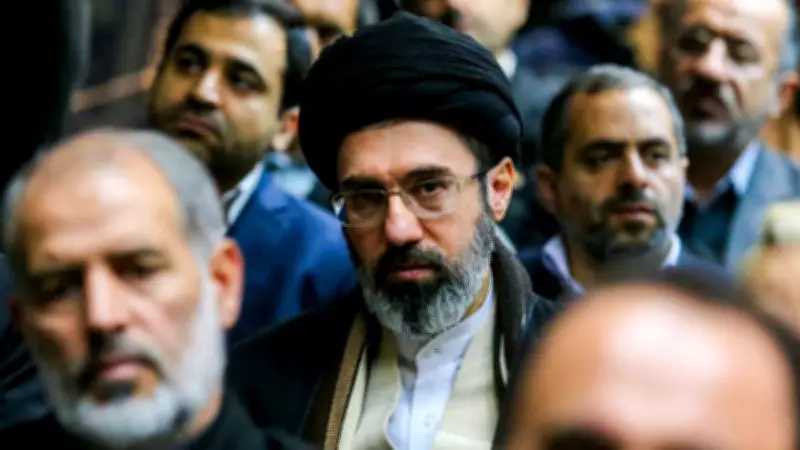
Iran's Supreme Leader Mojtaba Khamenei Reported Unconscious and Incapable of Governing
A recent report has sent shockwaves through international diplomatic circles, alleging that Iran's Supreme Leader, Mojtaba Khamenei, is currently unconscious and unable to perform his duties in running the country. This development, if confirmed, could have profound implications for the political stability and governance of the Islamic Republic, potentially triggering a succession crisis at the highest levels of power.
Details of the Alleged Health Crisis
According to sources cited in the report, Mojtaba Khamenei, who holds the ultimate authority in Iran's political and religious hierarchy, has been rendered unconscious due to undisclosed health issues. The situation is described as severe enough to prevent him from making any decisions or overseeing state affairs, effectively leaving a leadership vacuum at a critical juncture. The report does not specify the exact nature of his condition or how long he has been incapacitated, but it emphasizes that his inability to govern is a matter of grave concern for both domestic and international observers.
Potential Implications for Iran's Political Landscape
The alleged unconsciousness of the Supreme Leader raises urgent questions about who is currently managing Iran's day-to-day operations and long-term strategic decisions. In Iran's political system, the Supreme Leader wields immense power over military, judicial, and executive branches, making his incapacitation a significant threat to national stability. This report could fuel speculation about internal power struggles within the regime, as various factions may vie for influence in the absence of clear leadership. Additionally, it might impact Iran's foreign policy, including its stance on regional conflicts and nuclear negotiations, which often hinge on the Supreme Leader's directives.

Historical Context and Succession Concerns
Mojtaba Khamenei, who succeeded his father, Ayatollah Ali Khamenei, as Supreme Leader, has been a central figure in Iran's governance. His reported inability to run the country highlights the opaque nature of succession planning in Iran, where such transitions are typically shrouded in secrecy and can lead to political turmoil. Analysts note that this situation could expose vulnerabilities in the regime's structure, potentially leading to unrest or a shift in power dynamics. The international community is closely monitoring developments, as any instability in Iran could have ripple effects across the Middle East and beyond, affecting global security and economic interests.
Reactions and Verification Challenges
As of now, Iranian officials have not publicly commented on the report, leaving its veracity unconfirmed. However, the mere circulation of such claims underscores the heightened tensions and uncertainties surrounding Iran's leadership. Experts caution that without official confirmation, it is difficult to assess the full scope of the situation, but they agree that the report, if true, represents a critical moment for the country. The lack of transparency in Iran's political processes complicates efforts to verify the health status of its leaders, often leading to speculation and rumors that can influence both domestic and international perceptions.
In summary, the report alleging that Iran's Supreme Leader Mojtaba Khamenei is unconscious and unable to govern has sparked widespread concern about the future of the Islamic Republic. As details remain unverified, the situation serves as a stark reminder of the fragile nature of leadership in authoritarian regimes and the potential for sudden shifts in global politics. Stakeholders worldwide are advised to stay vigilant as events unfold in this volatile region.






