

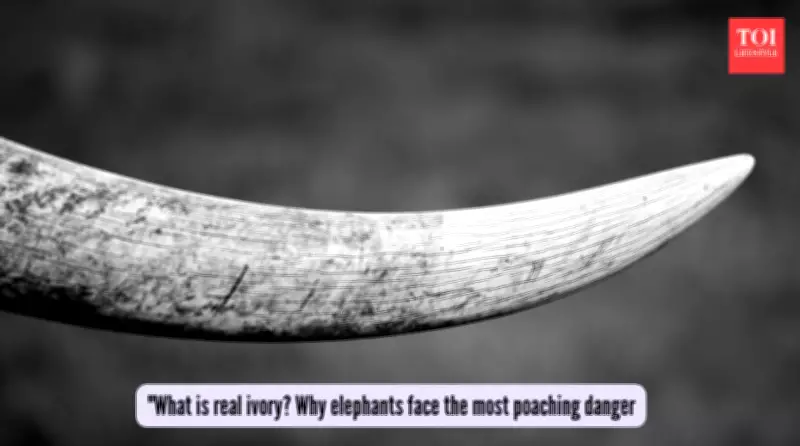
The Enduring Allure and Ethical Crisis of Ivory
For centuries, ivory has captivated human civilization as a precious substance of immense value. Historically prized for intricate carving designs and exquisite jewelry, this material now finds itself at the center of modern ethical debates surrounding trade and conservation. The true cost of ivory extends far beyond monetary value, encompassing devastating consequences of poaching and the endangerment of iconic species.
What Exactly Is Ivory?
Ivory is composed of dentine, the dense tissue that forms animal tusks or teeth. These elongated incisors grow continuously throughout an animal's life. While elephants produce the most renowned type of ivory, other species including hippopotamuses, narwhals, walruses, and warthogs also possess this material. The Convention on International Trade in Endangered Species of Wild Fauna and Flora (CITES) has implemented a comprehensive ban on elephant ivory trade to combat rampant poaching. Despite these international regulations, illegal markets persist due to ivory's extreme rarity and continued demand.
Distinguishing Ivory from Bone
Both ivory and bone share a similar chemical composition of collagen, water, and hydroxyapatite minerals containing calcium. However, ivory possesses distinct physical characteristics that set it apart:

- Density and Texture: Ivory feels significantly denser, smoother, and heavier than bone, which tends to be porous and lighter with microscopic pits from blood vessels.
- Hardness: Ivory demonstrates superior scratch resistance with a Vickers hardness rating of approximately 35, compared to bone's lower rating.
- Unique Patterns: When polished, ivory reveals distinctive Schreger lines—chevron or engine-turned patterns formed by intersecting lines within the dentine structure.
The Functional Role of Tusks in Animal Life
According to wildlife experts, animals utilize their tusks for multiple essential purposes:
- Digging for water sources and minerals
- Combatting rivals during mating seasons or territorial disputes
- Foraging for bark, roots, and other food sources
In elephant societies, longer tusks often indicate higher social hierarchy, with matriarchs typically possessing the most impressive specimens to lead their herds effectively. These remarkable structures absorb combat stress efficiently and grow approximately 3 centimeters annually, developing from pulp that layers dentine outward in continuous growth patterns.
Why Elephant Ivory Remains Particularly Coveted
Elephant ivory possesses unique properties that have made it historically desirable for artisans and craftspeople:
- Workability: Its fine grain structure allows carving in any direction without splintering, unlike wood or other materials.
- Aesthetic Appeal: When polished, the distinctive Schreger lines create stunning visual patterns ideal for artistic designs.
- Structural Qualities: Denser and heavier than bone (with tusks weighing up to 35 kilograms), ivory offers superior stiffness and strength for applications ranging from art sculptures to piano keys and specialized tools.
While hippopotamus ivory also sees significant demand, elephant ivory has historically dominated luxury markets due to these exceptional characteristics.
The Rise of Tuskless Elephants and Alternative Materials
Intense poaching pressure has led to a noticeable increase in tuskless elephant populations, particularly among females in Asian regions who sometimes develop smaller canines called "tushes." While tusks are not absolutely essential for basic survival, they remain vital for natural behaviors and social structures within elephant communities.
Several alternative materials have emerged as ivory substitutes:

- Tagua Nuts: Often called "vegetable ivory," these palm seeds offer similar appearance but lack the scale and structural properties of genuine ivory.
- Synthetic Composites: Modern materials can replicate ivory's visual characteristics without animal sourcing.
- Other Natural Materials: Bone, horn, and certain woods serve as traditional alternatives for carving and decorative purposes.
The Human and Ecological Cost of Ivory Poaching
Ivory represents far more than a luxury commodity—it originates from living, sentient beings capable of experiencing fear and pain. This fundamental reality often becomes obscured when discussing ivory as merely another status symbol or decorative item.
The consequences of elephant poaching extend beyond individual animals:
- Family Disruption: When an elephant falls to poachers, calves lose their primary protectors and educators.
- Social Chaos: Herd structures collapse without matriarchal leadership, disrupting migration patterns and communal knowledge transmission.
- Species Endangerment: Each poached elephant brings entire species closer to extinction, destabilizing ecosystems where they serve as keystone species.
Elephants possess intrinsic value beyond human utility—they deserve to walk vast distances, nurture their young, and thrive in their natural habitats rather than becoming decorative objects or wealth symbols.
A Clear Path Forward for Conservation
The solution to the ivory crisis requires collective commitment:
- Reject Ivory Purchases: Refuse to participate in markets that trade elephant ivory products.
- Demystify Ivory's Appeal: Recognize that ivory's "rarity" stems from cruel practices rather than natural scarcity.
- Support Conservation Efforts: Advocate for policies and organizations protecting elephant habitats and populations.
- Promote Alternatives: Embrace sustainable materials that don't threaten endangered species.
Ultimately, preserving elephants requires acknowledging that these magnificent creatures belong in the wild, not as decorative elements in human spaces. Their survival depends on our willingness to leave ivory where it truly belongs—with the living elephants who produce it naturally throughout their lives.





