

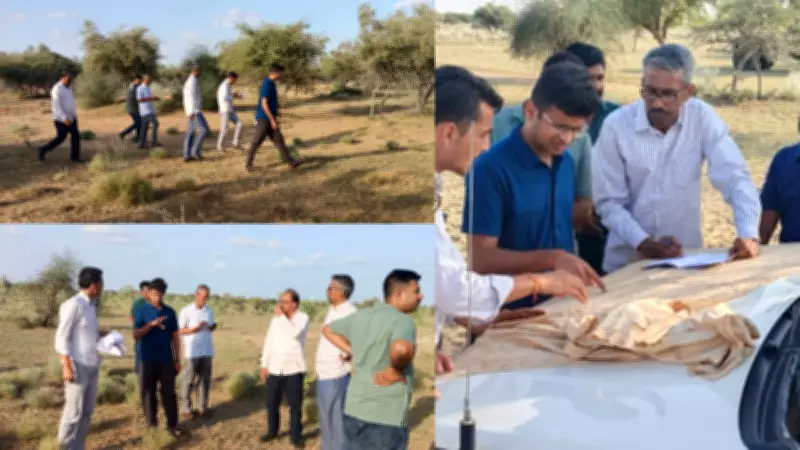
Jaisalmer Takes Major Step to Preserve Sacred Oran Lands and Combat Desertification
In a landmark move to protect the ecological balance of the desert district of Jaisalmer, the Rajasthan state government has officially reserved a substantial area of land as Oran, or sacred grazing grounds. This initiative addresses the long-standing movement to safeguard these culturally significant areas while respecting environmental concerns and local community sentiments.
Substantial Land Reserved for Conservation
As part of a comprehensive conservation drive, a total of 22,648.12 bigha, equivalent to approximately 3,666.2139 hectares, has been designated as Oran land across various villages in Jaisalmer district. District Collector Anupama Jorwal, newly appointed to her role, emphasized the importance of this action, stating that everyone must act responsibly toward the preservation of these sacred groves and grazing lands.
"While addressing the needs of villagers, it is equally crucial to maintain a balance with development," Jorwal explained. She highlighted that Jaisalmer, renowned as a major tourist destination, should continue to be promoted, but all activities must adhere to regulatory frameworks and achieve public consensus.

Understanding the Ancient Oran System
The term "Oran" originates from the Sanskrit word "Aranya," meaning "untouched forest." This ancient system is deeply rooted in social and religious beliefs, where local communities have traditionally protected these sacred groves. Customarily, cutting trees or using axes in these areas is strictly prohibited, which naturally aids in preserving the ecosystem and preventing desertification.
These lands are not merely symbols of ancient cultural and religious traditions; they play a vital role in enhancing greenery and biodiversity in the arid desert region. The initiative is expected to strengthen traditional faith-based conservation practices while contributing to environmental sustainability.
Detailed Breakdown of Reserved Oran Land
According to official information from the district administration, the reserved land has been allocated across several tehsils in Jaisalmer:
- Ramgarh Tehsil:
- Dilawar ka Gaon – 771.18 bigha (124.9502 hectares)
- Kuchhri – 6,701.11 bigha (1,084.8043 hectares)
- Poonam Nagar – 3,607.14 bigha (583.9876 hectares)
- Fatehgarh Tehsil:
- Bhimsar – 5,882.16 bigha (952.2752 hectares)
- Beenjota – 1,583.1 bigha (256.2511 hectares)
- Jaisalmer Tehsil:
- Mokla (three segments) – 1,583.1 bigha and 1,565.9 bigha (187.364, 256.2511, and 253.4034 hectares)
- Birma Kanod – 780.18 bigha (126.4065 hectares)
Additional Proposals Under Consideration
The conservation efforts are set to expand further, with additional proposals currently under process to reserve more land as Oran. These include:
- Mokla – 9,003.18 bigha (1,457.4991 hectares)
- Asakandra (Nachna Tehsil) – 1,350.18 bigha (225.03 hectares)
- Didhu – 1,417.16 bigha (229.5067 hectares)
- Mohangarh Barani/Pannodharai – 2,062.16 bigha (333.9165 hectares)
This proactive approach by the state government underscores a commitment to balancing ecological preservation with developmental needs, ensuring that Jaisalmer's unique heritage and environment are protected for future generations.






