

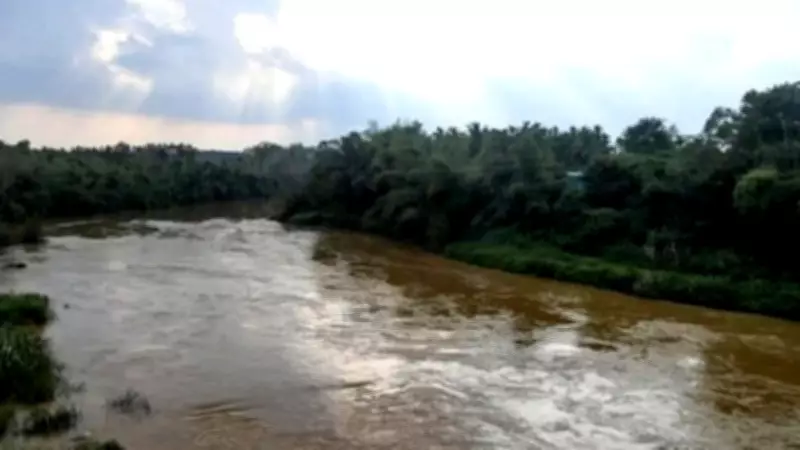
The Kali River's Delicate Balance Under Siege from Unregulated Tourism
The Kali River, a vital lifeline flowing through the biodiverse Western Ghats, is witnessing a troubling transformation. Once a model of regulated ecotourism, this pristine waterway is now grappling with the unchecked expansion of adventure tourism activities. The fragile ecological balance that sustained the region for generations is under severe strain, raising alarms among environmentalists and local communities alike.
From Regulated Preservation to Commercial Exploitation
Historically, the Kali River benefited from carefully managed ecotourism practices that prioritized environmental conservation alongside limited visitor access. These regulated approaches ensured that tourism activities did not overwhelm the river's natural systems, protecting both wildlife habitats and water quality. However, recent years have seen a dramatic shift toward unregulated commercial operations that prioritize profit over preservation.
The river is being systematically broken into commercial segments, with multiple tourism operators establishing competing rafting routes along previously quiet stretches. This fragmentation disrupts the river's continuity and creates pockets of intense human activity where none existed before. The cumulative impact of these operations threatens to degrade the very natural attractions that draw visitors to the Kali in the first place.

The Environmental Toll of Adventure Tourism Expansion
The proliferation of rafting companies and adventure tourism outfits along the Kali River brings with it a host of environmental concerns. Increased boat traffic disturbs aquatic ecosystems, while the construction of support infrastructure like launching points and rest areas can lead to deforestation and soil erosion along riverbanks. Noise pollution from tourism activities disrupts wildlife, particularly affecting bird species and other sensitive fauna that depend on the river's tranquility.
Water quality faces multiple threats from this tourism expansion. Chemical runoff from sunscreen and other personal care products used by tourists, improper waste disposal, and fuel leakage from watercraft all contribute to the degradation of the Kali's waters. These pollutants accumulate over time, potentially harming both aquatic life and downstream communities that rely on the river for drinking water and irrigation.
Regulatory Gaps and Enforcement Challenges
The transition from regulated to unregulated ecotourism highlights significant gaps in environmental governance and enforcement mechanisms. While existing regulations may theoretically govern tourism activities along the Kali, practical implementation often falls short. Multiple operators working in the same areas create coordination challenges, and the economic incentives of tourism development sometimes override conservation priorities in local decision-making.
This regulatory vacuum allows operators to:
- Establish operations without adequate environmental impact assessments
- Exceed carrying capacity limits for sensitive river sections
- Neglect proper waste management protocols
- Operate during seasons when wildlife is particularly vulnerable
Community Impacts and Sustainable Alternatives
Local communities living along the Kali River face complex trade-offs between economic opportunities from tourism and the preservation of their natural heritage. While some benefit from employment in the tourism sector, others experience negative consequences including:
- Restricted access to traditional fishing and gathering areas
- Increased competition for water resources during dry seasons
- Cultural disruption as traditional ways of life give way to commercial tourism
- Potential long-term damage to ecosystems they depend on for sustenance
Sustainable alternatives exist that could balance economic development with environmental protection. These include implementing stricter carrying capacity limits, establishing seasonal closures during sensitive periods, creating operator certification programs with environmental standards, and developing community-based tourism models that give local residents greater control over tourism development.

The Path Forward for Kali River Conservation
Addressing the Kali River's tourism challenges requires coordinated action from multiple stakeholders. Government agencies must strengthen regulatory frameworks and enforcement capabilities, while tourism operators need to adopt more sustainable practices voluntarily. Environmental organizations can play a crucial role in monitoring river health and advocating for protective measures, and tourists themselves must become more conscious of their ecological footprint when visiting fragile ecosystems like the Kali.
The Western Ghats, recognized as a UNESCO World Heritage Site for their exceptional biodiversity, deserve protection that extends to all their waterways. The Kali River's current trajectory from regulated ecotourism to unregulated commercial exploitation serves as a cautionary tale for other sensitive regions facing similar tourism pressures. Without intervention, the very qualities that make the Kali special—its clean waters, rich biodiversity, and natural tranquility—may be irreparably diminished by the very industry that seeks to showcase them.





