

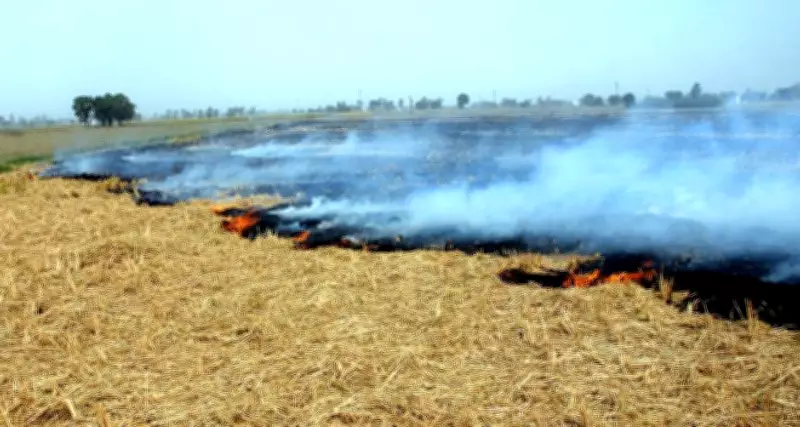
The Deputy Commissioner of Kapurthala has called for stepped-up efforts to curb stubble burning in the district. Addressing a review meeting, the DC emphasized the need for strict enforcement of laws and awareness campaigns to prevent farmers from resorting to this practice, which contributes significantly to air pollution in the region.
Environmental and Health Concerns
Stubble burning is a major source of smog and air pollution in northern India, particularly in Punjab and Haryana. The practice releases harmful gases and particulate matter, leading to severe health issues and environmental degradation. The DC highlighted that the district administration is committed to tackling this issue through a multi-pronged approach.
Measures Being Taken
The administration is working closely with agricultural departments, village panchayats, and farmers to promote alternative methods of crop residue management. These include the use of happy seeders, mulching, and composting. The DC directed officials to ensure that machinery and equipment are available to farmers on a rental basis to facilitate eco-friendly disposal of stubble.

- Strict action against violators under the Air (Prevention and Control of Pollution) Act, 1981.
- Intensive awareness drives in villages about the ill effects of stubble burning.
- Monitoring through satellite imagery and field inspections to identify burning incidents.
Collaboration with Farmers
The DC urged farmer organizations and cooperative societies to play an active role in discouraging stubble burning. He stressed that the long-term benefits of sustainable farming practices outweigh the short-term convenience of burning. The administration is also exploring incentives for farmers who adopt residue management techniques.
Role of Technology
Modern technology is being leveraged to track and prevent stubble burning. The use of remote sensing and geographic information system (GIS) tools helps in real-time monitoring of agricultural fields. This enables swift action against offenders and helps in assessing the effectiveness of preventive measures.
Community Participation
The success of anti-stubble burning campaigns hinges on community participation. The DC called upon local leaders, school teachers, and youth to spread awareness about the hazards of burning crop residue. He also emphasized the importance of involving women self-help groups in promoting sustainable agriculture.
The district administration remains vigilant and will continue to intensify efforts to ensure a cleaner and healthier environment for all residents.






