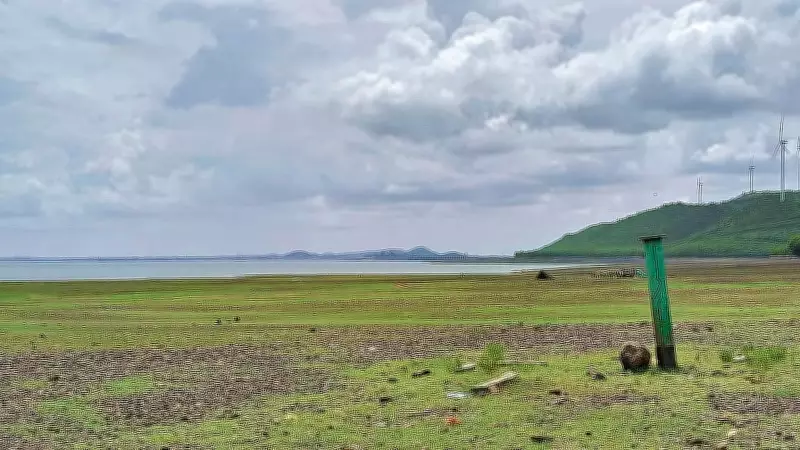
Karnataka experienced its fourth lowest June rainfall in five decades this year, with a deficit of 42% compared to the normal average. The state recorded only 98 mm of rain against the expected 169 mm, according to data from the Karnataka State Natural Disaster Monitoring Centre (KSNDMC).
Historical context and current deficit
The June rainfall deficit is the worst since 2014, when the state recorded a 48% shortfall. The lowest June rainfall on record was in 1972, with a deficit of 61%. In recent years, the monsoon has typically recovered later in the season, leading to overall above-normal rainfall. However, experts are concerned that the developing El Niño conditions could suppress rainfall in July as well.
KSNDMC director Dr. G. S. Srinivasa Reddy stated, "The current deficit is alarming, but we have seen similar situations before where the monsoon picked up in subsequent months. The key factor to watch is the El Niño impact in July."

Regional variations across Karnataka
The rainfall shortage was not uniform across the state. Coastal Karnataka, which usually receives heavy rain, recorded a deficit of 38%, while the Malnad region saw a 45% shortfall. The northern interior districts faced the most severe deficit at 52%, with some areas receiving less than 50 mm of rain during the entire month.
- Coastal Karnataka: 38% deficit
- Malnad region: 45% deficit
- North interior districts: 52% deficit
- South interior districts: 40% deficit
Impact on agriculture and water resources
The deficient rainfall has raised concerns among farmers, especially those growing rain-fed crops like paddy, maize, and pulses. Sowing operations have been delayed in many parts of the state. The Karnataka government has advised farmers to opt for alternative crops and use water-saving techniques.
Water levels in major reservoirs, including the Krishna Raja Sagara (KRS) and Tungabhadra, are lower than normal for this time of year. As of July 1, the total storage in 13 major reservoirs was 28% of their capacity, compared to the average of 35%.
El Niño threat and July outlook
The Indian Meteorological Department (IMD) has forecast below-normal rainfall for July over many parts of the country, including Karnataka. El Niño conditions, characterized by warming of sea surface temperatures in the equatorial Pacific, are expected to strengthen by August.
"El Niño typically reduces monsoon rainfall in India, especially in the central and southern regions. If it intensifies, July could also see a deficit," said Dr. M. Rajeevan, former secretary of the Ministry of Earth Sciences. He added that the monsoon's performance in July is critical for kharif crops.
Government response and advisories
The Karnataka government has set up a control room to monitor the situation and is coordinating with the agriculture and water resources departments. Chief Minister Siddaramaiah reviewed the drought preparedness and directed officials to ensure adequate supply of drinking water in affected areas.
The state has also sought assistance from the central government for cloud seeding operations if the dry spell continues. Meanwhile, farmers are being encouraged to use drip irrigation and mulching to conserve moisture.