

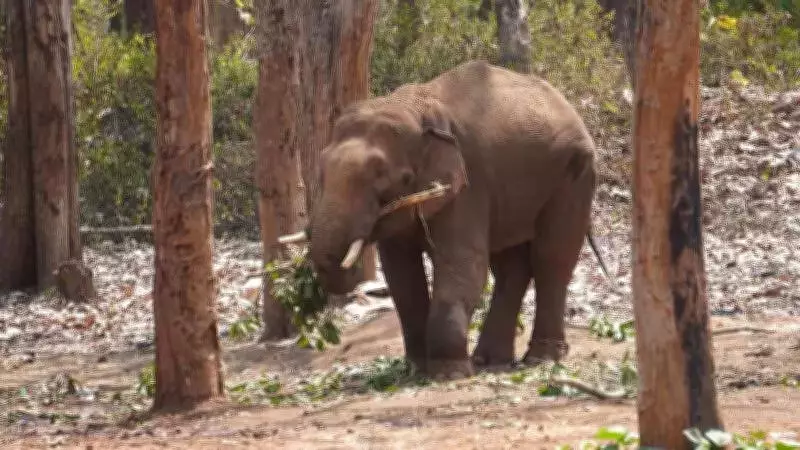
Karnataka Forest Minister Directs Urgent Action on Human-Elephant Conflict in Kodagu
In a decisive move to address the escalating human-elephant conflict in Kodagu district, Karnataka Forest Minister Eshwar B Khandre has issued urgent directives to strengthen mitigation measures. At a high-level meeting held at Vikas Soudha in Bengaluru on Wednesday, the minister emphasized the government's serious concern over wildlife-related deaths in the region.
Immediate Repairs Ordered for Elephant Trenches and Solar Fences
Minister Khandre has mandated that the district's existing infrastructure be repaired within one month. This includes 422 kilometers of elephant trenches and 544 kilometers of suspended solar fencing, which are critical barriers to prevent elephants from entering human settlements and plantations. The minister highlighted that Kodagu accounts for a staggering 38% of all wildlife-human conflict deaths in Karnataka, underscoring the need for swift action.
Enhanced Patrolling and Conflict-Control Units
To bolster efforts, Khandre called for increased patrolling and the strengthening of specialized conflict-control units, such as the Elephant Task Force and Rapid Response Force. In a bid to improve response times, four new vehicles have already been purchased, supplementing the existing six. The minister further suggested procuring four additional vehicles and engaging local youth on an outsourced basis to support these teams.

Improved Communication and Data Collection
Officials were instructed to establish a robust wireless communication network to facilitate real-time sharing of information on wildlife movements. This initiative aims to not only curb human-elephant conflicts but also combat illegal logging and poaching activities. Additionally, the forest department is tasked with collecting data on plantation workers in each zone of Kodagu and implementing immediate alert systems using WhatsApp and vehicles equipped with loudspeakers to warn communities of approaching wildlife.
Preparing for Summer Challenges
With summer approaching, Minister Khandre emphasized the importance of preventing shortages of water and fodder for wildlife inside forests from late March to May. He directed officials to keep the public and local representatives informed about water availability in forest waterholes, ensuring proactive management of resources.
Fostering Community Cooperation
The minister stressed the need for forest officials to maintain cordial relations with local communities, noting that resident cooperation is essential for resolving conflict-related issues. By involving locals and improving communication, the government aims to build a collaborative approach to wildlife conservation.
The meeting was attended by key officials, including Principal Chief Conservator of Forests Meenakshi Negi, PCCF (Wildlife) Kumar Pushkar, and senior forest officers such as Manoj Rajan, Manoj Kumar, and Kodagu CCF Sonal Vrishni, along with Kodagu MLAs AS Ponnanna, Manthar Gowda, and Nanjnagud MLA Darshan Dhruvanarayan.






