For the second consecutive year, Kashmir's vital winter phase known as 'Chillai Kalan' has concluded with a significant deficit of snowfall, triggering serious concerns about the region's climate patterns, water security, and ecological balance. The dry spell during this traditionally harsh period marks a worrying departure from historical norms that have sustained the valley for generations.
What is Chillai Kalan and Why Does It Matter?
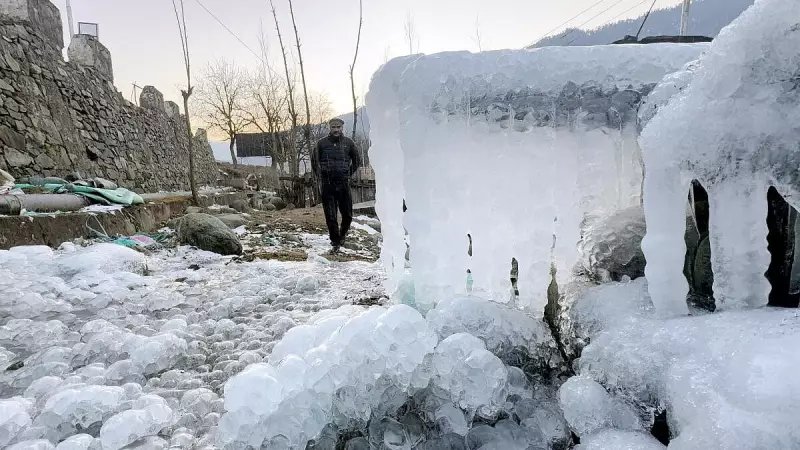
Chillai Kalan is the 40-day period recognized as the harshest stretch of winter in Kashmir. It begins every year on December 21 and continues until the end of January. This phase has historically been the backbone of the region's hydrological cycle. The heavy and sustained snowfall during these weeks is not just a seasonal event; it is a critical natural reservoir.
The snow accumulated in the mountains during Chillai Kalan acts as a frozen water bank. It melts slowly with the arrival of spring and summer, ensuring a steady supply of water to rivers, streams, and springs. This process is essential for recharging groundwater, supporting agriculture, and maintaining the delicate ecological stability of the entire region.

The Growing Pattern of Snow Deficit
The winter of early 2026 has mirrored the conditions of the previous year, with clear skies and sunshine largely dominating what should have been the peak snow season. The absence of the characteristic deep freeze and consistent snowfall has been noted with alarm by residents, environmentalists, and officials alike.
This back-to-back occurrence of a dry Chillai Kalan is being viewed as more than a seasonal anomaly. Experts are increasingly linking it to broader climate change trends affecting the Himalayan region. The reduced snow cover has immediate and visible impacts, turning popular ski destinations barren and affecting winter tourism, but the long-term consequences are far more severe.
Implications for Water Security and Ecology
The direct fallout of a diminished snowpack is a threat to water availability in the coming months. Key rivers like the Jhelum, which depend on glacial and snow melt, may see reduced flows. This could lead to water shortages for drinking, irrigation, and hydropower generation as the year progresses.
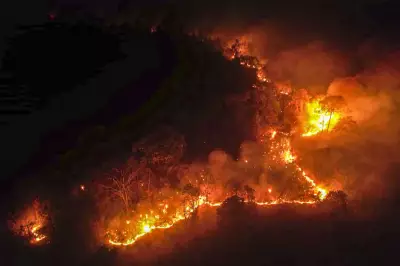
Furthermore, the ecological ripple effects are profound. The snow cover insulates the ground and provides moisture for vegetation. Its absence can disrupt local flora and fauna, increase the risk of early-season forest fires, and contribute to soil erosion. The lack of sustained cold also fails to kill off pests and pathogens, potentially affecting future crop health.
As noted in reports, this persistent trend raises fundamental questions about the changing climate of Kashmir. The region's traditional snow calendar, once predictable, is now showing signs of significant disruption. The situation calls for urgent attention to climate adaptation strategies, water conservation measures, and long-term environmental monitoring to safeguard the valley's future.