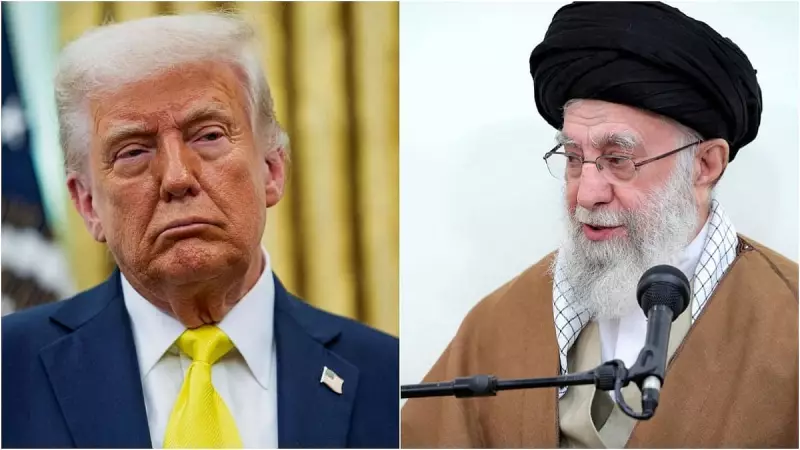
Iran's Supreme Leader Accuses Trump of Inciting Deadly Protests
Iran's Supreme Leader Ayatollah Ali Khamenei has made serious accusations against former United States President Donald Trump. Khamenei claims Trump incited deadly protests in Iran. The leader's comments came in a direct response to Trump's recent statements.
Khamenei's Strong Warning to Criminals
Khamenei delivered a firm message during his address. He stated clearly that Iran will not drag the country into war. However, he emphasized that domestic or international criminals will not escape punishment. This statement reflects Iran's determination to hold perpetrators accountable.
The Supreme Leader did not specify what actions Iran might take. His words suggest a careful balance between avoiding conflict and asserting national sovereignty. Many observers see this as a warning to external forces interfering in Iranian affairs.

Background of the Accusations
The protests referenced by Khamenei have caused significant unrest in Iran. These demonstrations reportedly turned violent, resulting in numerous casualties. Iranian authorities blame foreign influences for fueling the protests.
Donald Trump's exact role in these events remains unclear from Khamenei's statement. However, the accusation marks another chapter in the tense relationship between Iran and the United States. Both nations have exchanged harsh words multiple times in recent years.
International Reactions and Implications
This development could further strain diplomatic relations between Iran and Western nations. The United States has not yet responded to Khamenei's latest accusations. International observers are watching closely for any escalation.
Khamenei's statement comes at a sensitive time for regional stability. Middle Eastern tensions have been high for several months. Any new conflict between Iran and the United States could have widespread consequences.
The Iranian leader's words demonstrate his government's approach to internal and external threats. They show a willingness to confront perceived enemies while avoiding full-scale military engagement. This strategy has characterized Iranian foreign policy for decades.
As the situation develops, the world awaits responses from other global powers. The United Nations and regional organizations may need to address these growing tensions. Peaceful resolution remains the hope of many international stakeholders.