Starmer Steps Down
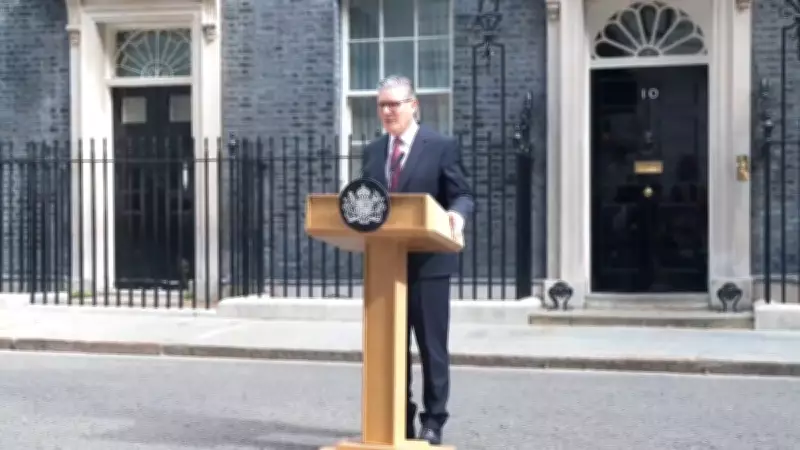
Keir Starmer has resigned as Prime Minister of the United Kingdom, effective June 22, 2026. The announcement came from Downing Street earlier today, ending his tenure of just over two years since taking office in July 2024.
In a brief statement, Starmer cited personal reasons for his decision, stating that he believes it is time for a new leader to take the country forward. His resignation triggers a leadership contest within the Labour Party to elect a new party leader and subsequently Prime Minister.
Details of the Resignation
Starmer submitted his resignation to King Charles III earlier this morning, who accepted it. The Prime Minister is expected to remain in a caretaker capacity until a successor is chosen. The Labour Party’s National Executive Committee (NEC) is expected to meet within the next 48 hours to set a timeline for the leadership election.

According to sources close to Starmer, the decision was not prompted by any specific scandal or political pressure but rather a desire to step back from public life. Starmer, 63, has served as Labour leader since 2020 and led the party to a landslide victory in the 2024 general election, ending 14 years of Conservative rule.
Impact and Reactions
Political analysts note that Starmer’s resignation comes at a time when the UK faces economic challenges, including inflation and public sector strikes. His departure is expected to create uncertainty in the markets, with the pound dipping slightly against the dollar following the news.
Opposition leaders have reacted with caution. Conservative Party leader Rishi Sunak tweeted, “I thank Sir Keir for his service to the country and wish him well. The focus now must be on stability and the national interest.” Liberal Democrat leader Ed Davey called for a general election, arguing that the public should have a say in who leads the government.
Within the Labour Party, potential successors include Deputy Prime Minister Angela Rayner, Chancellor Rachel Reeves, and Health Secretary Wes Streeting. All three are considered strong contenders, with Rayner currently the favorite among party members according to recent polls.
What Happens Next
The Labour Party will follow its established rules for a leadership election, which typically takes around three months. During this period, Starmer will remain as caretaker Prime Minister, handling day-to-day government business but refraining from major policy decisions. The new leader is expected to be announced in September 2026.
Starmer’s resignation marks a significant moment in UK politics, as he was the first Labour Prime Minister since Gordon Brown left office in 2010. His tenure saw the passage of several key pieces of legislation, including the Clean Energy Act and the Workers’ Rights Bill, but also faced criticism over the handling of the National Health Service (NHS) waiting lists and immigration policy.
In his resignation statement, Starmer expressed gratitude to his family, colleagues, and the British public. “It has been the greatest honor of my life to serve as Prime Minister of this great country. I leave with my head held high, knowing that we have laid the foundations for a fairer, greener, and more prosperous Britain.”