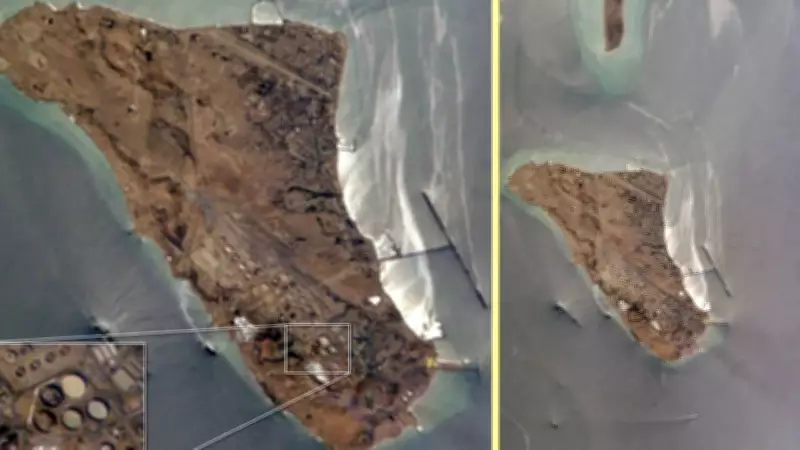
Kharg Island: Iran's 'Forbidden' Oil Hub and Ancient Pearl of the Persian Gulf
Kharg Island has suddenly surged into global headlines amid escalating tensions in the US-Iran conflict, yet for decades, it has been shrouded in mystery, often dubbed the 'forbidden island' by intrepid travelers and observers. This continental island, owned by Iran, is strategically positioned in the Persian Gulf, approximately 25 kilometers in length, and lies northwest of the critical Strait of Hormuz. Its significance in the current geopolitical landscape cannot be overstated, as it serves as the primary sea port for exporting nearly 90% of Iran's oil products, alongside functioning as a vital storage facility for the nation's petroleum reserves.
A Historical and Archaeological Treasure Trove
Long before its transformation into a major oil terminal in the 1960s, Kharg Island was celebrated for its natural beauty and historical depth. The renowned Iranian writer Jalal Al-e-Ahmad poetically referred to it as "The Orphan Pearl of the Persian Gulf," a nickname that endures today. The island is home to the city of Kharg and the iconic Jazireh-ye Khark Lighthouse, and it boasts its own freshwater supply, a rarity in the region.
The archaeological heritage of Kharg Island is remarkably rich, featuring several key sites that trace back through millennia. These include the ruins of a Christian monastery potentially dating to the 7th century, as well as ancient tombs, temples, and an Achaemenid inscription in cuneiform writing from between 550 and 330 BCE. For centuries, it served as a crucial trading post, controlled successively by the Portuguese Empire from the 16th to the 17th centuries and the Dutch colonial empire in the 18th century.

The Island of Pearls and Controversial Discoveries
Historical records, such as the Hudud al-'Alam from around 982 CE, mention Kharg Island as a prime source for pearls, earning it the moniker "the island of pearls." In 2007, a significant archaeological find intensified its historical allure: an Achaemenid-era cuneiform inscription in Old Persian, carved on coral and estimated to be around 2,400 years old. This discovery sparked a social media frenzy and fueled ongoing debates over the naming of the Persian Gulf. Tragically, in 2008, the inscription was severely damaged by unknown vandals, highlighting the challenges of preserving such artifacts in a contested region.
Why Kharg Island is Called the 'Forbidden Island'
Despite its historical and natural attractions, Kharg Island remains largely inaccessible to the public, earning its reputation as a 'forbidden island.' Tourists can technically visit, but only with a special permit and an approved guide, making casual exploration nearly impossible. Often referred to as the "orphan pearl," this highly secured oil terminal is managed by the Islamic Revolutionary Guard Corps (IRGC), which enforces strict access controls and requires advanced documentation for entry.

Key Factors Behind Its Restricted Status
- Heavy Military and Strategic Importance: As Iran's main oil export hub, Kharg Island handles a substantial portion of the country's petroleum shipments. This critical economic role necessitates tight government control and robust military protection, limiting civilian access.
- Restricted Access to Civilians and Foreigners: Entry to the island is rigorously regulated. Special permission is generally required, particularly for those not affiliated with the oil industry or government operations. This stringent oversight reinforces its image as an off-limits zone.
- History of Conflict and Security Concerns: During the Iran–Iraq War, Kharg Island was subjected to intense bombing due to its oil facilities. In response, security measures have remained exceptionally strict, perpetuating its closed-off reputation.
- Industrial, Not Tourist-Oriented Development: Unlike many islands that cater to tourism, Kharg is dominated by oil terminals, storage facilities, and housing for workers. Its infrastructure is designed for industrial purposes, not leisure, further discouraging casual visitors.
In summary, Kharg Island stands as a paradoxical blend of ancient history and modern strategic significance. While its archaeological sites and pearling past evoke a rich cultural legacy, its role as Iran's primary oil export terminal and the resulting security restrictions cement its status as the 'forbidden island' of the Persian Gulf, a place where history and geopolitics intersect in a tightly controlled environment.