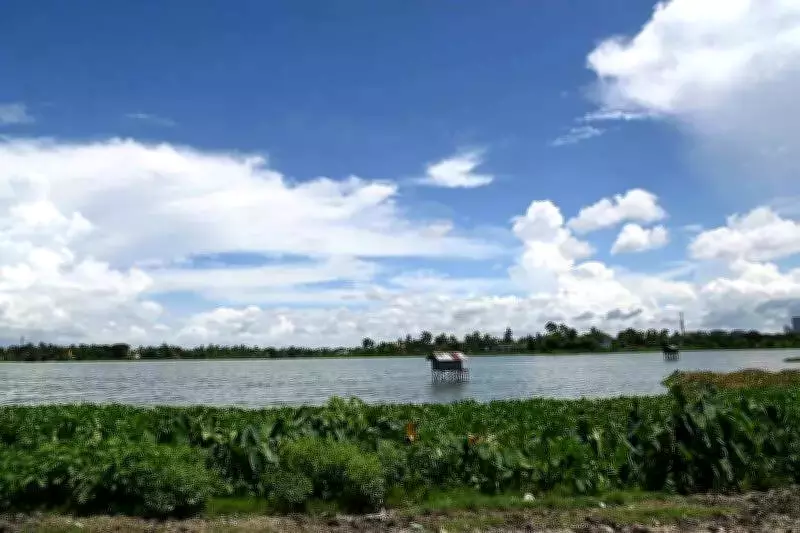
Kolkata Unveils Groundbreaking Digital Platform for Wetland Conservation on World Wetlands Day
A pioneering citizen-centric digital wetland knowledge and community platform was officially launched in Kolkata on Monday, coinciding with World Wetlands Day celebrations. This innovative initiative aims to significantly strengthen grassroots conservation efforts across West Bengal by empowering local communities and integrating traditional knowledge with modern technology.
'Voices for Wetlands': A Collaborative Conservation Initiative
The platform, named 'Voices for Wetlands', represents a comprehensive community-led conservation programme organized by The Climate Thinker in collaboration with Asar Social Impact Advisors. This digital ecosystem brings together three crucial elements:
- Satellite-based mapping technology
- Community knowledge and traditional practices
- Policy dialogue and stakeholder engagement
According to organizers, the platform serves multiple purposes: highlighting the current status of wetlands throughout West Bengal, documenting traditional conservation practices, and promoting people-centric approaches to environmental protection.

West Bengal's Wetland Wealth: Statistics and Significance
During the platform's launch event, organizers shared compelling data based on satellite imagery analysis that reveals the remarkable wetland resources of West Bengal:
- The state currently hosts 4,62,523 distinct wetlands
- These cover approximately 1.18 million hectares of land
- This represents nearly 12.9 percent of West Bengal's total geographical area
The wetland composition includes diverse ecosystems:
- Rivers and streams
- Tanks and ponds
- Mangrove forests
- Floodplains and marshes
- Oxbow lakes
- Thousands of man-made water bodies
Notably, rivers, streams, tanks, ponds, and mangroves collectively constitute over 80 percent of the total wetland area. West Bengal boasts globally significant wetland sites including the internationally recognized East Kolkata Wetlands and the UNESCO World Heritage Site Sundarbans mangrove forest.
Community-Centric Approach to Conservation Challenges
Srijan Haldar, founder of The Climate Thinker, emphasized the critical need for community involvement during the launch program. "Wetlands continue to be viewed narrowly as vacant or 'low-value' land," he observed. "In reality, wetlands are living systems that support livelihoods, regulate floods, and sustain biodiversity. Conservation will only work when communities that depend on them are part of decision-making processes, rather than being passive recipients of policy decisions."
West Bengal's wetlands face escalating threats from multiple directions:
- Unplanned urbanization and development
- Pollution from industrial and domestic sources
- Encroachment and land conversion
- Climate change impacts including sea-level rise
Despite these challenges, local communities often play vital roles in protecting wetland ecosystems through traditional practices and indigenous knowledge. However, their experiences and insights rarely find adequate representation in formal planning processes.
Bridging Knowledge Gaps Through Digital Innovation
The newly launched digital platform specifically addresses this disconnect by creating an accessible repository for:
- Documenting wetland stories and community experiences
- Preserving traditional ecological knowledge
- Sharing research findings and scientific data
- Recording field-level observations and conservation practices
Beyond documentation, the platform aims to create meaningful connections between diverse stakeholders including community groups, academic researchers, educators, civil society organizations, and policymakers working on wetland conservation issues.

Dialogue-Driven Conservation Philosophy
Sandip Ghosh of Asar Social Impact Advisors explained the initiative's underlying philosophy: "Wetland conservation cannot be effectively imposed from the top down. This platform emphasizes dialogue over conflict, focusing on listening to community voices, sharing knowledge across sectors, and creating informed, inclusive solutions that balance ecological protection with livelihood sustainability."
Organizers describe the platform as a "living knowledge commons" rather than a static website. It will continuously evolve through:
- Active citizen contributions and community inputs
- Regular offline meetings and workshops
- Sustained engagement across stakeholder groups
- Integration of new research and field data
The broader vision involves fostering collective action for wetland protection across West Bengal, creating a model for community-driven environmental conservation that could potentially be replicated in other regions facing similar ecological challenges.