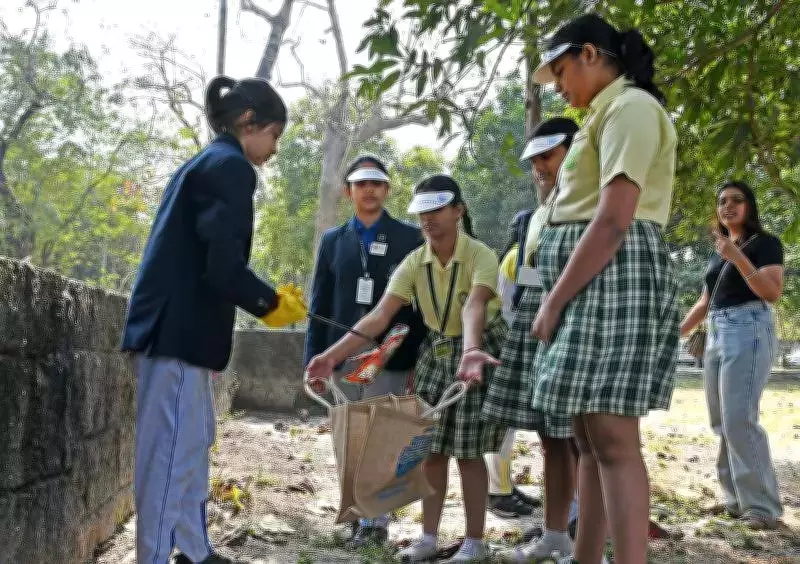
Kolkata Students Champion Wetland Conservation with Plogging Initiative at Subhas Sarobar
In a significant effort to combat plastic pollution and promote the preservation of urban waterbodies, a dedicated plastic waste plogging and wetland conservation program was successfully conducted at Subhas Sarobar in Kolkata on Friday. This initiative aimed to generate heightened awareness about the critical need to keep such vital ecosystems free from contamination and plastic debris.
Collaborative Effort for Environmental Awareness
The program was organized through a strategic partnership between the West Bengal Pollution Control Board (WBPCB), the World Wide Fund for Nature (WWF) West Bengal state office, and the Kolkata Metropolitan Development Authority (KMDA). This collaboration underscores a unified approach to addressing environmental challenges in the city.
A total of 32 enthusiastic students, ranging from classes VI to VIII and hailing from various schools across Kolkata, actively participated in the initiative. Equipped with gloves and specialized tools for plogging, these young environmentalists diligently collected plastic waste from a substantial portion of the Sarobar's surroundings.

Student Enthusiasm and First-Hand Experiences
The students expressed immense excitement about being part of this hands-on conservation effort. For many, like Swasti Somkar, it marked a first-of-its-kind experience, allowing them to directly contribute to environmental protection and learn about the impacts of pollution on urban wetlands.
Officials highlighted that Subhas Sarobar, despite its rich biodiversity comparable to Rabindra Sarobar, has often been neglected in terms of conservation efforts. Visible signs of neglect included heaps of garbage piled along the boundary wall and waste deposited on the banks, leading to severe water pollution that threatens the ecosystem.
Official Statements and Future Plans
Sangita Mitra, the WWF-India state director, emphasized that this initiative serves as a pilot project for Subhas Sarobar. She stated, "We aim to continue this program by involving local residents who can act as 'Sarobar Mitras' to maintain the lake's cleanliness and foster community-led conservation."
Kalyan Rudra, the chairman of WBPCB who was present at the event, stressed the urgent need to spread more awareness about cleanliness measures for Subhas Sarobar. He underscored the importance of such educational programs in instilling environmental responsibility among younger generations.
Officials from KMDA, the custodian of Subhas Sarobar, revealed that a comprehensive Rs 1.1 crore rejuvenation plan has been prepared. This plan includes the development of a revamped walkway surrounding the waterbody, aimed at enhancing its aesthetic appeal and promoting sustainable use while addressing pollution issues.
Broader Implications for Urban Conservation
This initiative not only addresses immediate pollution concerns but also sets a precedent for community involvement in urban wetland conservation. By engaging school students, it fosters early environmental stewardship and highlights the role of education in tackling ecological challenges.
The program's success could pave the way for similar efforts across Kolkata and other cities, emphasizing the critical need to protect urban waterbodies from plastic waste and pollution for future generations.