KSPCB Grants Approval for Bengaluru's Bidadi Waste-to-Energy Plant
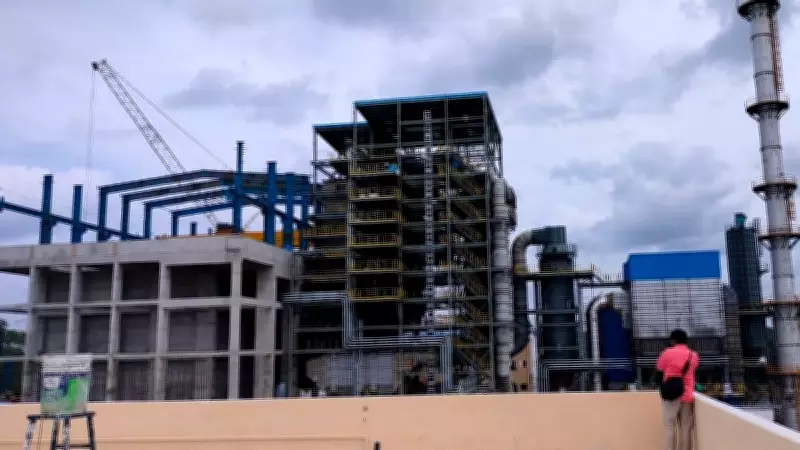
The Karnataka State Pollution Control Board (KSPCB) has officially approved the waste-to-energy plant located in Bidadi, near Bengaluru. This significant development marks a crucial step forward in the region's efforts to manage urban waste sustainably while generating renewable energy.
Advanced Emission Monitoring System Installed
According to the KSPCB, the plant has been equipped with an online continuous emission monitoring system. This state-of-the-art technology is designed to meticulously track a range of pollutants, ensuring compliance with environmental standards. The system monitors key emissions including particulate matter (PM), sulfur dioxide (SO2), nitrogen oxide (NOx), carbon monoxide (CO), hydrogen chloride (HCl), and other harmful substances.
The implementation of this monitoring infrastructure underscores a commitment to environmental safety and public health in the Bengaluru area. By providing real-time data on emissions, the system allows for immediate corrective actions if pollutant levels exceed permissible limits, thereby minimizing the plant's ecological footprint.

Implications for Waste Management and Energy Production
This approval paves the way for the Bidadi plant to commence operations, converting municipal solid waste into electricity. The project aligns with broader initiatives to reduce landfill dependency and promote clean energy sources in Karnataka. Experts highlight that such facilities are essential for addressing the growing waste challenges in rapidly urbanizing cities like Bengaluru.
Key benefits of the plant include:
- Reduction of waste volume through incineration
- Generation of renewable energy to supplement the local grid
- Enhanced pollution control via continuous monitoring
- Support for Karnataka's sustainability goals
The KSPCB's endorsement follows rigorous assessments to ensure the plant meets all regulatory requirements, setting a precedent for future waste-to-energy projects in the state.