Kyiv Mayor's Explosive Speech Exposes Major Leadership Rift in Ukraine
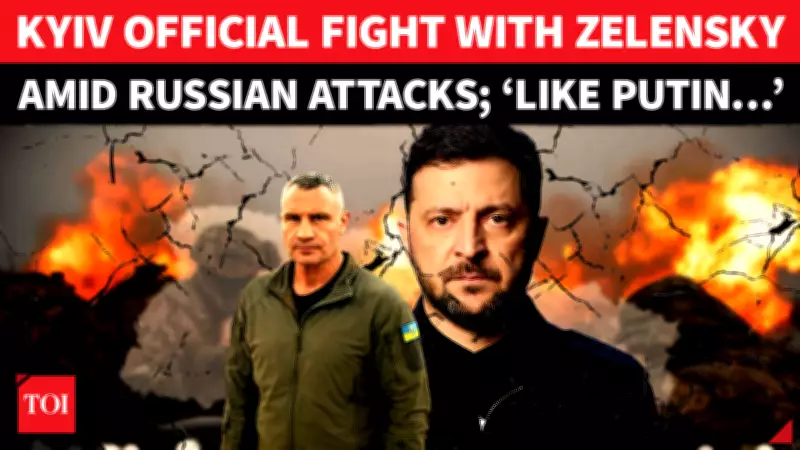
In a stunning development that has sent shockwaves through Ukrainian political circles, Kyiv Mayor Vitali Klitschko has publicly revealed deep divisions and significant disagreements with President Volodymyr Zelensky. This explosive revelation comes during the fourth year of Ukraine's ongoing war with Russia, a conflict that continues despite U.S.-brokered negotiations and relentless Russian aerial attacks.
Klitschko's Viral Video Call with British Lawmakers
During a video conference with British parliamentarians, the former heavyweight boxing champion turned politician delivered remarks that have since gone viral across international media platforms. Klitschko's statements appeared to suggest that President Zelensky has been actively seeking scapegoats within the Ukrainian leadership structure.
The timing of this revelation is particularly significant, as Ukraine faces mounting pressure on multiple fronts. While Russian forces continue their offensive operations, including pressing the Pokrovsk front and threatening key Donetsk railway hubs, this internal discord represents a new dimension of challenge for the embattled nation.

Context of U.S.-Brokered Negotiations
The leadership rift emerges against the backdrop of ongoing diplomatic efforts led by the United States to negotiate a resolution to the conflict. Despite these international mediation attempts, Russian aerial assaults have continued unabated, creating a complex geopolitical landscape where internal unity would typically be considered paramount.
Klitschko's decision to publicly air these grievances represents a significant departure from the previously maintained facade of unified leadership that has characterized Ukraine's wartime government. The mayor's comments suggest that beneath the surface of public solidarity, serious disagreements have been festering at the highest levels of Ukrainian governance.
Implications for Ukraine's War Effort
This internal conflict raises serious questions about:
- The cohesion of Ukraine's political leadership during a critical phase of the war
- The potential impact on military strategy and decision-making processes
- Public confidence in the government's ability to navigate both external threats and internal challenges
- The effectiveness of international diplomatic efforts when key allies appear divided
The situation draws parallels to other global political developments, including the NATO shake-up under former U.S. President Donald Trump, where alliance structures faced significant stress tests. Similarly, Ukraine's internal divisions could potentially affect its relationships with international partners who have provided crucial military and economic support throughout the conflict.
Historical Context and Future Implications
Klitschko, who has served as Kyiv's mayor since 2014, brings considerable political weight to his criticisms. His international profile as a former world champion athlete turned politician gives his words particular resonance both domestically and abroad.
The public nature of this disagreement marks a significant escalation in what observers believe has been simmering tension between municipal and national leadership. As Ukraine approaches the fourth anniversary of the full-scale invasion, maintaining unity has never been more critical to sustaining both military resistance and civilian morale.
This development occurs alongside other international crises, including escalating tensions in the Middle East, U.S.-Iran nuclear tensions, and the ongoing fallout from the Epstein files affecting political establishments worldwide. However, for Ukraine, internal discord represents perhaps the most immediate threat to national stability beyond the battlefield itself.
The coming weeks will likely reveal whether this public rift can be mended or whether it represents a fundamental fracture in Ukraine's wartime leadership structure. As the conflict continues with no clear end in sight, such internal divisions could have profound consequences for the nation's ability to withstand both military pressure and diplomatic challenges.