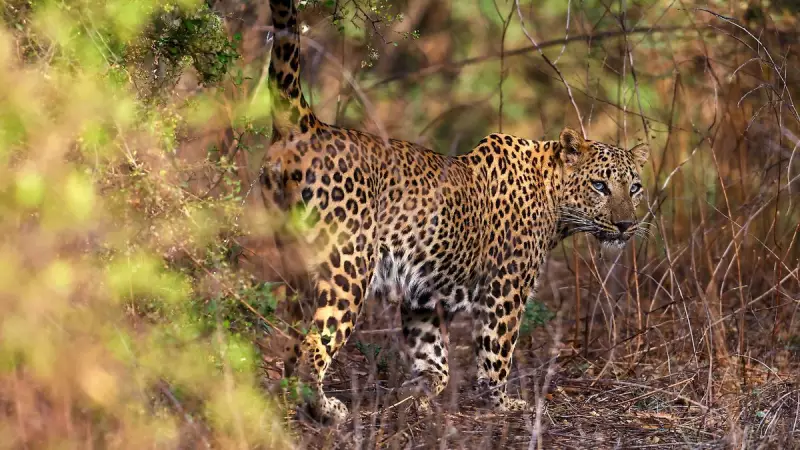
A tragic incident involving wildlife has shocked the region near Bengaluru. A pregnant leopard and her two unborn cubs were found dead, with authorities suspecting that an illegal quarrying blast caused their deaths.
Details of the Tragic Incident
The bodies of the adult female leopard and her two full-term unborn cubs were discovered in the Jigani area, close to the Bannerghatta National Park. The preliminary investigation points towards a devastating cause. It is believed the big cat was resting in a crevice or cave within a rocky outcrop when a nearby illegal stone quarrying blast occurred. The force of the explosion is suspected to have caused fatal internal injuries, leading to the immediate death of the mother and her unborn offspring.
Forest department officials, upon examining the scene, noted the leopard showed no signs of external injuries typically associated with poaching, such as snares or gunshot wounds. This strengthened the blast theory. The area where the incident occurred is known to have active and often unauthorized quarrying operations, posing a constant threat to the local ecosystem and wildlife corridors connecting to Bannerghatta.

Government Swiftly Orders Investigation
The Karnataka government has taken serious note of the incident. Forest Minister Eshwar Khandre has directed officials to conduct a thorough and high-level probe into the circumstances leading to the leopard's death. The orders emphasize investigating the possibility of illegal quarrying activity in the zone and holding those responsible accountable.
The incident has sparked outrage among wildlife conservationists and local residents. They have long raised concerns about unregulated mining and blasting activities in the fragile ecosystems surrounding Bengaluru, which disrupt animal habitats and lead to human-animal conflict. The death of a pregnant leopard represents a significant loss for the local leopard population, impacting genetic diversity and the health of the species in that landscape.
Broader Implications for Wildlife Conservation
This event highlights the ongoing conflict between rapid urban expansion, industrial activity, and wildlife conservation in peri-urban areas like those around Bengaluru. Bannerghatta National Park serves as a crucial refuge, but animals often venture into surrounding areas, making them vulnerable to such man-made hazards.
The forest department's probe will be critical in determining the exact sequence of events and identifying the quarry operators involved. There are calls for stricter enforcement of regulations against illegal quarrying and more robust monitoring of blasting activities in zones adjacent to protected forests. The tragedy underscores the urgent need for better land-use planning that prioritizes the safety of wildlife corridors and imposes severe penalties for activities that endanger protected species.
The loss of the leopard and her cubs is a somber reminder of the cost of unchecked development on India's natural heritage. The outcome of the government-ordered investigation will be closely watched by conservation groups across the state and the country.