

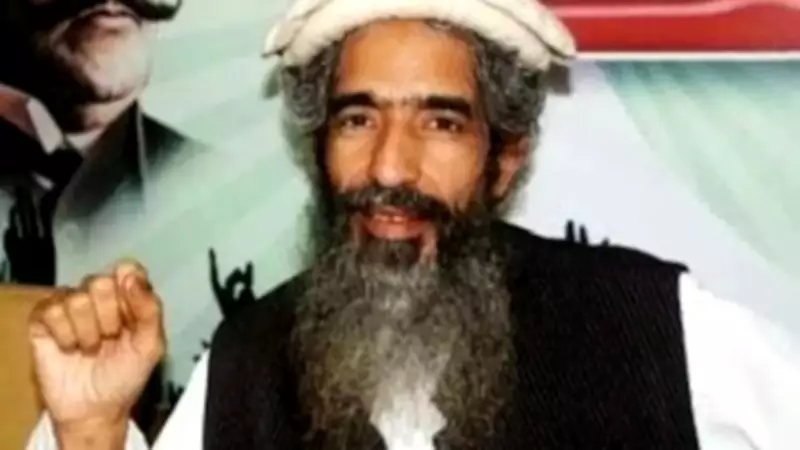
LeT Co-Founder Amir Hamza Targeted in Second Assassination Bid in Lahore
In a dramatic incident underscoring ongoing turmoil within terrorist networks, Lashkar-e-Taiba (LeT) co-founder Amir Hamza was shot at by unidentified assailants outside a television channel's office in Lahore on Thursday. This marks the second attempt on his life in less than a year, raising serious questions about internal conflicts within the banned organization.
Details of the Attack
The attack occurred when Hamza, aged 67, was returning home after an appearance at a local TV station. He was accompanied by Pakistani judge Nazir Ahmad Ghazi at the time. According to eyewitness reports, two armed men on a motorcycle opened fire near a Pindi stop in Lahore, critically injuring Hamza. He was immediately rushed to a nearby hospital for emergency treatment. His current condition remains undisclosed, but sources indicate he survived the assault.
This is not the first time Hamza has faced such danger. In May of last year, he narrowly escaped a similar assassination attempt when unidentified gunmen shot him in the waist area. That incident, like the recent one, has been attributed by intelligence sources to deepening internal rifts within LeT factions, suggesting a power struggle or ideological discord at the highest levels of the group.

Background and Global Designation
Amir Hamza, hailing from Gujranwala city in Pakistan's Punjab province, is a key ideologue within Lashkar-e-Taiba. He was declared a global terrorist by the United States in August 2012, highlighting his significant role in the organization's operations. Known historically as 'Afghan Mujahideen,' Hamza has maintained close ties with other notorious LeT leaders, including Hafiz Saeed and Abdul Rehman Makki, who appointed him to the group's central committee.
His involvement in terrorist activities dates back to the early 2000s, when he was entrusted with establishing bases in India. Hamza was also implicated in the 2005 attack on the Indian Institute of Science in Bengaluru, further cementing his status as a high-profile terrorist operative.
Roles and Responsibilities within LeT
Hamza's influence within Lashkar-e-Taiba extends beyond operational planning. He has been instrumental in the group's propaganda efforts, heading its publication division and authoring books such as 'Qafila Da'wat aur Shahadat (Caravan of Proselytizing and Martyrdom)' and 'Shahrah-e-Bahisht (Road to Paradise)'. According to sources, he served as the editor of an LeT weekly newspaper and contributed articles to various publications, spreading extremist ideologies.
In 2018, following bans on Lashkar-e-Taiba and its front organization Jamat-ud-Dawah, Hafiz Saeed tasked Hamza with forming another outfit named Jaish-e-Manqafa. This move initially fueled rumors of a rift within LeT's top leadership, though these were later dismissed as unfounded. The U.S. Treasury Department notes that Hamza, as a member of LeT's central advisory committee, actively maintained the group's relationships with other terrorist organizations under Saeed's direction.
Additionally, Hamza led an LeT-associated charity and served as an officer and member of a university trust led by Saeed. His responsibilities, as of mid-2010, included publishing propaganda and negotiating the release of detained Lashkar members. He also headed LeT's "special campaigns" department, overseeing targeted operations and recruitment drives.
Implications and Ongoing Threats
The repeated attempts on Amir Hamza's life signal persistent instability within Lashkar-e-Taiba, potentially weakening its operational capabilities. As global counter-terrorism efforts intensify, such internal conflicts could lead to further fragmentation of the group. Authorities continue to monitor the situation closely, emphasizing the need for vigilance against terrorist activities in the region.
This incident serves as a stark reminder of the enduring threat posed by terrorist organizations and the complex dynamics that govern their internal structures. The targeting of a senior figure like Hamza underscores the volatile nature of extremist networks and their susceptibility to internal strife.






