

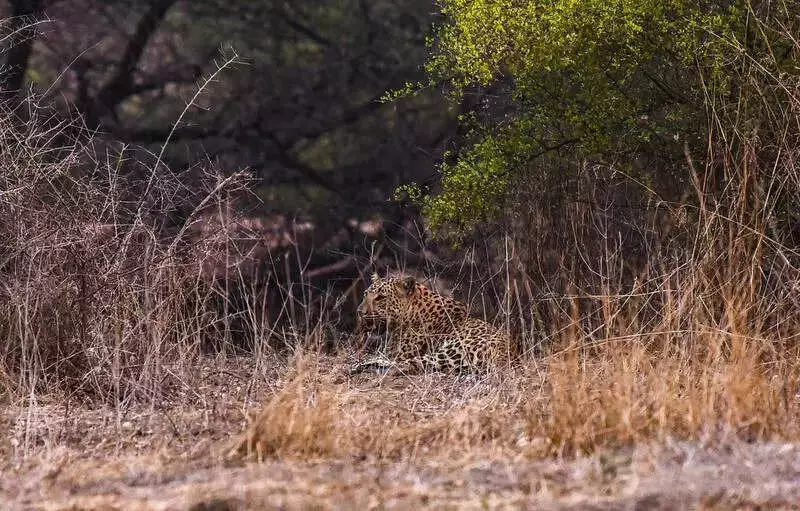
Alarmed by a surge in leopard-related incidents, the state forest department is gearing up for a pioneering and comprehensive leopard census across the districts of Pune, Ahilyanagar, and Nashik in Western Maharashtra. Senior officials and wildlife experts are stressing the urgent need for reliable data on leopard populations to design scientific strategies and curb the growing human-animal conflict.
An Unprecedented Challenge in Agricultural Landscapes
Forest department officials admit that conducting this large-scale census will be far more complex than any routine wildlife assessment inside protected forests. The primary challenge lies in the unique habitat: vast sugarcane fields that have become the leopard's new home.
Prashant Khade, deputy conservator of forest of Junnar division, highlighted the novelty of the task, stating that no agency in the country has ever conducted a formal leopard census within sugarcane fields. He described the upcoming exercise as a "path-breaking activity" if executed properly.

Unlike reserved forest zones with predictable animal routes, the leopard habitat in these districts is a fragmented mosaic of agricultural plots, rural homes, cattle sheds, and water bodies. The dense sugarcane belts, which can stretch for hundreds of acres, provide ideal cover for the big cats to hide, breed, and stalk prey, making traditional tracking methods nearly impossible.
Technical Hurdles and Mammoth Scale
The census relies on a method where each leopard is identified by its unique skin pattern, similar to a human fingerprint. This process is incredibly labour-intensive.
A senior forest official explained that the fragmented landscape means every field and hamlet is a potential microhabitat, requiring intense groundwork to map. Placing trap cameras is extremely difficult due to the height and density of the sugarcane, and analysing the images is a herculean task.
Wildlife researchers noted that analysts must inspect thousands of images daily to match patterns and avoid duplication. Even with automated tools, every image requires human verification because shadows and vegetation often distort the visibility of the rosette patterns.
The scale of the project is daunting. Officials pointed to a previous study by the Wildlife Institute of India (WII) conducted three years ago in the Manchar, Shirur, and Junnar forest ranges. That intensive study, covering just 600 square kilometres, took nearly three years to complete. The new census would need to replicate this scientific protocol across thousands of square kilometres and multiple administrative divisions.
A Collaborative Effort for a Critical Mission
Given the anticipated volume of data, with a daily image load potentially running into tens of thousands, the forest department acknowledges it cannot rely solely on its in-house staff. Prashant Khade confirmed that the department plans to enrol the programme at the earliest in the most affected regions, with results expected only in the next couple of years.
The department will require support from private agencies specialising in camera trapping, wildlife monitoring, and digital data processing. Several agencies with expertise in AI-driven pattern recognition and conservation research have already shown interest in collaborating.
Despite the immense technical and logistical challenges, officials believe the census is non-negotiable. The urgency has been triggered by a series of leopard attacks and sightings over the past year in rural pockets of Junnar, Ambegaon, Sinnar, Sangamner, and parts of Ahilyanagar.
A scientific census will establish population numbers, identify breeding areas and migration corridors, and pinpoint zones with a high risk of conflict. This evidence is crucial for guiding policy, rescue planning, awareness campaigns, and habitat management decisions to ensure the safety of both people and wildlife.
The forest department is now preparing a detailed roadmap, which includes budgeting, recruiting partner agencies, procuring equipment, and coordinating across districts. The final proposal is expected to be submitted to the state government soon.






