

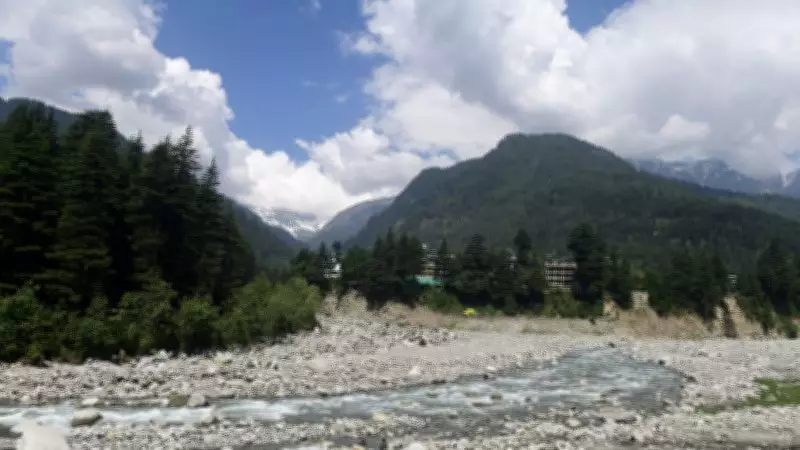
Before entering the Himalayan paradise of Manali, visitors are greeted by a stark reality: a massive garbage dump at Rangri along the Kullu-Manali highway. The site, located near the banks of the Beas River, has become a symbol of the waste management crisis plaguing this popular tourist destination.
Unwelcome Welcome for Tourists
For millions of travellers, Manali is synonymous with snowclad peaks, emerald valleys, and adventure sports. However, first-time visitors often encounter towering waste heaps, swarms of flies, and a persistent foul odour at Rangri. Priya Sharma, a tourist from Bhopal, described the experience as disappointing: “Manali is one of the most beautiful places in the country, but seeing heaps of garbage along the highway and experiencing the unpleasant odour creates a very negative impression. There is an urgent need to improve waste disposal and maintain cleanliness around this famous tourist destination.”
The Rangri garbage treatment plant, meant to process waste from Manali and surrounding areas, has accumulated enormous quantities of legacy waste far exceeding its intended capacity. According to municipal authorities, waste generation fluctuates with tourist arrivals: nearly 70 metric tonnes per day during peak seasons and around 30 metric tonnes in quieter months.

Environmental Threat to the Beas River
Environmentalists warn that the proximity of the dump to the Beas River poses serious risks. During monsoons, leachate and runoff can contaminate the river, affecting water quality and aquatic ecosystems. Dr Jagdish Chandra Kuniyal, Professor of Natural Resource Management, cautioned: “Pollutants entering the Beas can threaten aquatic life and potentially affect agriculture and horticulture in downstream areas where river water may be used for irrigation. Harmful substances can gradually accumulate in soil, posing long-term risks to crop productivity and environmental health.”
In a Himalayan ecosystem already vulnerable to climate change and landslides, improper waste management adds another layer of ecological stress.
Clearing Decades of Waste
Municipal authorities acknowledge the severity of the issue. Manali Municipal Council Executive Officer Karun Bharmoria reported that a survey identified approximately 78,464 metric tonnes of legacy waste at Rangri. Over the past months, around 45,000 metric tonnes have been processed through bio-mining and waste treatment by a private agency. The facility currently processes about 200 metric tonnes daily, with a new machine installed to nearly double capacity to 400 metric tonnes per day. Wet weather during monsoons slows operations, but officials aim to clear the remaining legacy waste within seven months. Fresh municipal waste is also processed separately to prevent further accumulation.
Judicial Scrutiny
The issue has attracted the attention of the Himachal Pradesh High Court. In May, the court expressed serious concern over deficiencies in solid waste management and bio-mining at Rangri, based on a State Pollution Control Board inspection report. The report noted that a large proportion of waste arriving was mixed rather than segregated, creating operational challenges and foul odours. Exposed wet waste, leachate generation, and a non-functional leachate pit were highlighted. The court directed municipal officials and the waste-processing company to appear at the next hearing.
Impact on Tourism and Local Economy
Tourism stakeholders believe the dump directly harms Manali's reputation. Former president of the Manali Hoteliers Association, Anup Thakur, said: “Visitors often cover their noses while passing through because of the foul smell. Such experiences leave a lasting negative impression and are certainly not good for Manali’s tourism industry.” For a destination reliant on tourism, first impressions matter greatly.

Preserving Paradise
Manali’s future depends on protecting the environment that attracts visitors. Sustainable waste management, improved segregation, and environmentally sound disposal systems are essential. As authorities work to clear decades of accumulated waste, residents and stakeholders hope that the entrance to Manali will once again reflect its natural beauty. Until then, the garbage heaps at Rangri remain an uncomfortable reminder of the consequences of unchecked tourism-driven urban expansion.





