

Manipur Killing Shatters Fragile Calm for Meitei-Kuki Couples
For months, Meitei-Kuki couples across Manipur had cautiously believed they reached a fragile but predictable equilibrium following the devastating violence that erupted in 2023. This delicate stability was brutally shattered on January 21st, when Mayanglambam Rishikanta Singh, a 31-year-old Meitei man working in Nepal, was abducted and shot dead in the Kuki-majority district of Churachandpur.
A Secret Journey Ends in Tragedy
Singh had quietly entered Churachandpur on December 19th via Aizawl, Mizoram, deliberately bypassing the buffer-zone checkpoints between Imphal and Churachandpur. According to relatives close to his fiancée Chingnu Haokip's family, he traveled to see Chingnu after she obtained permission from local authorities and representatives of the Kuki National Organisation. This umbrella body of Kuki insurgent outfits operates under the Suspension of Operation agreement with the government.
The couple lived together for nearly a month before the horrific incident. Officials later confirmed that armed militants abducted Singh from the Tuibong area, transporting him to a village under Henglep police station where he was executed on camera. The chilling video circulated widely, showing Singh kneeling with folded hands before his armed captors, prompting Churachandpur police to register a suo motu First Information Report.

Survivor's Trauma and Social Ostracism
Chingnu Haokip was abducted alongside Singh but suffered a different fate. Her family reported that she was beaten and thrown from a moving vehicle during the incident. Admitted to a trauma ward in Churachandpur, doctors diagnosed her with acute depression and shock. In hospital, she could only respond with nods and couldn't retain food, her psychological trauma overwhelming.
A further devastating blow followed the physical violence. Both sides of the ethnic divide ostracized Chingnu, with many accusing her of betrayal and circulating threats through social messaging groups. Though discharged from hospital, she remains in no condition to speak. Her family told media, "We do not want any more trouble", reflecting their exhaustion and fear.
Broader Impact on Inter-Ethnic Relationships
While the killing didn't trigger fresh widespread violence across Manipur as many feared—with schools staying open, offices functioning, and roads reopening intermittently—something fundamental shifted in the social landscape.
In Kuki-majority Churachandpur, Icham Haokip, a 34-year-old Meitei woman who married into the Kuki community in 2010, represents one of the successful cross-ethnic marriages. She lost her husband Lalneo during the early phase of the violence but stayed in the hills with their five children, rebuilding a life that no longer depends on movement between communities.
"I don't feel threatened here," Icham said. "People know me. I have been accepted into the Kuki community. But the killing of Rishikanta tells you something—how vulnerable these relationships still are."
Separated Lives and Shattered Hopes
Across in Meitei-majority Imphal valley, separation has defined existence for Meitei-Kuki couples since mid-2023. Many were forcibly separated during evacuations, fleeing in opposite directions for safety. Over time, this separation became routine, with marriages sustained through phone calls and reunions deferred indefinitely.
Late last year, faint signs suggested the worst might be over. Some couples began cautiously planning reunions. The January 21st murder shattered these fragile hopes completely.
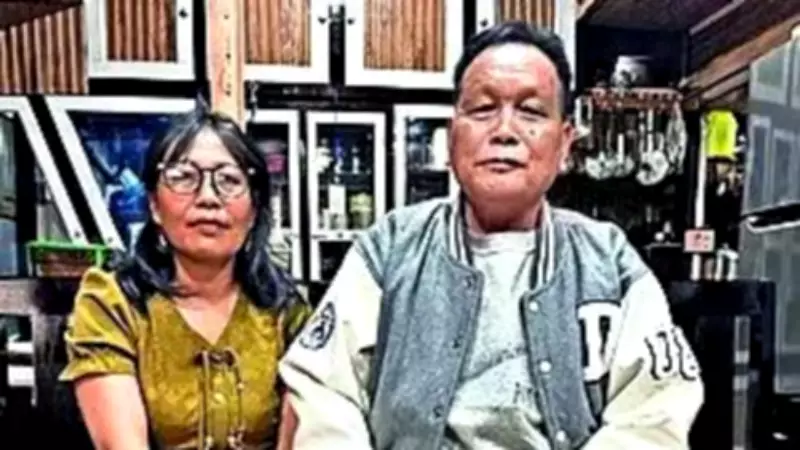
Thogjam Haokip, a 70-year-old retired Kuki church pastor, has been married to his Meitei wife Kim for three decades—their marriage predating the current conflict. "We are not afraid. But we are not blind," Kim said. "We often think about how things would have turned out had we been living in another place. Would we be safe elsewhere? The thought gnaws at us."
The killing has not only deepened existing fears but has effectively stalled the fragile hopes that had begun to emerge among inter-ethnic couples across Manipur, creating new barriers to reconciliation in an already divided society.






