Air, the invisible yet essential element of life, carries with it a tapestry of memories. For many, the air of childhood was crisp, carrying the scent of rain-soaked earth and blooming flowers. It was the breath of freedom during long summer days, the gentle caress of a breeze through open windows. But as decades pass, the air we breathe has transformed—sometimes imperceptibly, often alarmingly.
The Air of Yesteryears
Growing up in the 1970s and 80s, the air felt different. It was not just the absence of today's smog; it was the presence of distinct smells that marked seasons and places. The earthy aroma after the first monsoon rains, the sweet fragrance of jasmine at dusk, and the smoky warmth of bonfires in winter were all part of the air's character. Cities were smaller, traffic lighter, and industries fewer. The sky was a clearer blue, and the horizon stretched without a haze.
Change in the Air
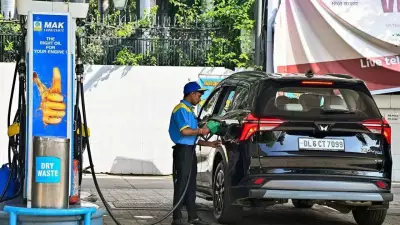
Urbanization and economic growth brought progress but also altered the atmosphere. The air became a cocktail of emissions from vehicles, factories, and construction. In metropolises like Delhi, Mumbai, and Bengaluru, the air quality index became a daily concern. The once-fresh mornings turned gray with particulate matter. The breeze now carries dust and exhaust, and the scent of rain is often masked by pollutants.

Global Perspective: Air Quality Across Regions
The change is not unique to India. Across the world, from Beijing to Los Angeles, the air tells a story of industrial advancement and environmental neglect. However, the impact is felt more acutely in developing nations where regulations are still catching up. The World Health Organization has classified air pollution as a major health risk, linking it to respiratory diseases, heart conditions, and premature deaths.
Personal Recollections
I remember the air of my village—the cool, clean breeze from the hills that carried the sound of temple bells and the chatter of birds. Today, even that sanctuary is not immune. The hills are being mined, the forests cleared, and the air carries the rumble of trucks. The nostalgia for that pure air is not just sentimental; it is a longing for a time when nature's balance was respected.
Action and Hope
Despite the grim reality, there are glimmers of hope. Awareness about air pollution has grown, leading to policy changes and individual actions. The push for electric vehicles, stricter emission norms, and the promotion of public transport are steps in the right direction. Communities are planting trees, and citizens are demanding cleaner air. The memories of fresh air can serve as a reminder of what we stand to lose and what we can regain.
Conclusion
The air we breathe is a shared inheritance. It connects us to our past and shapes our future. As we navigate the challenges of modernization, we must hold onto the memory of clean air—not as a relic, but as a goal. The fight for breathable air is the fight for life itself. Let the memories inspire action, so future generations can write their own stories of air—not of pollution, but of purity.