

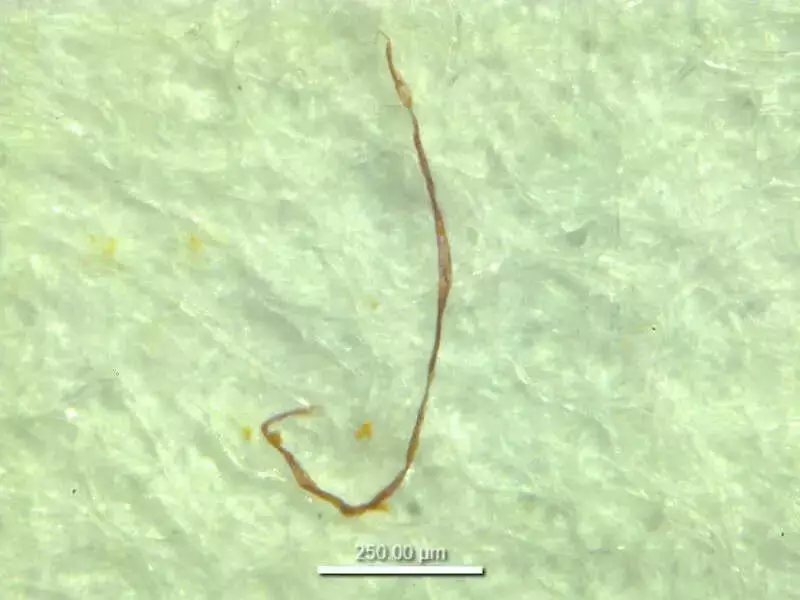
A team of researchers from Kasaragod and Manipal has uncovered disturbing evidence of long-term microplastic pollution in the sediments of Madagadakere, a lake considered pristine, situated at the foothills of the Western Ghats in Chikkamagaluru.
Five Decades of Plastic Infiltration
The scientific analysis, which examined both surface and deeper sediments, reveals that microplastics have been entering this freshwater system for nearly half a century. The first traces were identified from around the year 1975. The research team included GH Aravind, RS Mahidev, AK Rafaz, K Sandeep, and AV Sijinkumar from the Central University of Kerala's geology department, alongside Anish Kumar Warrier from Manipal Institute of Technology's centre for climate studies.
Anish Kumar Warrier highlighted the concerning findings, noting that despite Madagadakere's reputation as a relatively undisturbed ecosystem, the concentration of microplastics in its sediments is comparable to levels found in major lakes globally. Areas close to the lake's main inlet showed higher contamination, with polypropylene microfibers being the most common pollutant in surface layers.

Sources and Fluctuations in Pollution
The study pinpoints several key sources contributing to the problem. These include synthetic textiles and garments, fishing gear like nets and lines, ropes, various packaging materials, and woven sacks. By using sediment dating techniques with 137Cs and 210Pb, the researchers tracked the historical accumulation of plastics.
They discovered a dramatic increase in microplastic particles from 150 particles per kg in 1975 to 1,475 particles per kg by 2010. Interestingly, this was followed by a decline after 2010, with current surface sediments holding between 100 and 450 particles per kg. Scientists attribute these fluctuations to factors like rainfall-driven soil runoff, local fishing activities, and inadequate plastic waste disposal in the lake's 20-square-kilometre catchment area. A small creek on the northeastern side was identified as a major entry point for the contaminants.
A Marker of the Human Era and a Call for Action
The research also noted a shift in the types of plastics found at different depths. While polypropylene dominates the surface, deeper sediments contain significant amounts of high-density polyethylene (HDPE), reflecting changes in plastic consumption over the decades.
This embedded plastic, scientists say, can act as a stratigraphic marker, helping to define the so-called "Anthropocene" or "Plasticene" epoch—a period defined by human influence on the planet's geology. However, the team emphasises the urgent need for more data from other lakes across southern India to build a comprehensive understanding of the issue.
"The study adds crucial baseline information to the limited research available on microplastic pollution in India's lacustrine environments," Warrier stated. It raises significant concerns about the expanding footprint of human activity, even in ecologically sensitive regions like the Western Ghats.
The research was conducted as part of a project sanctioned to Sandeep K by the ANRF, Government of India. The full findings have been published in the Journal of Sedimentary Environments by Springer Nature.






