

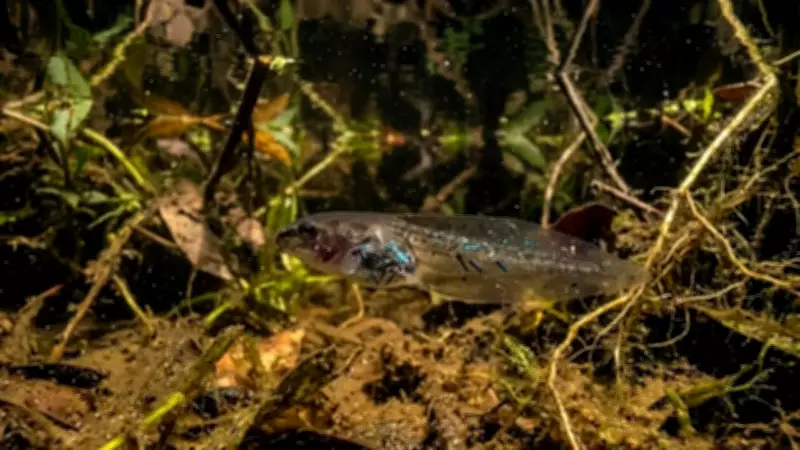
A pioneering study conducted in Brazil's Gunma Ecological Park has revealed that microplastics are present in every tadpole of the Venezuela snouted treefrog (Scinax x-signatus) sampled. This discovery underscores the alarming reach of plastic contamination into even the most isolated freshwater systems on Earth.
Study Findings
Researchers detected synthetic polyester fibres, predominantly blue, black, and transparent, in all examined larvae. The study, published on Research Gate, indicates that these particles likely originate from atmospheric deposition or local runoff, demonstrating that even protected habitats are not immune to plastic pollution.
Health Impacts on Tadpoles
The ingestion of microplastics leads to significant internal health crises. Scientific analysis revealed genotoxicity, which involves damage to genetic information within cells and can cause mutations. Additionally, morphological alterations in blood cells (erythrocytes) were observed, impairing oxygen transport and disease resistance. These findings align with broader research showing that microplastics act as vectors for toxic chemicals that leach into organisms upon ingestion.

Implications for Conservation
The presence of synthetic fibres in well-preserved areas like the Gunma Ecological Park highlights the failure of geographic isolation to protect wildlife. Most identified microplastics were polyester, a material commonly used in global textile production, suggesting that pollution sources may be far removed from the Amazon and transported through the global water cycle. This adds complexity to conservation efforts, as local protections are insufficient against global plastic dispersion.
Tadpoles are excellent indicators of ecosystem health due to their sensitivity to environmental changes. The study's results emphasize the urgent need to reconsider how far human waste has spread into vital freshwater ecosystems and its impact on emerging wildlife.






