Middle East Conflict Disrupts LPG Supply, India Accelerates PNG Transition
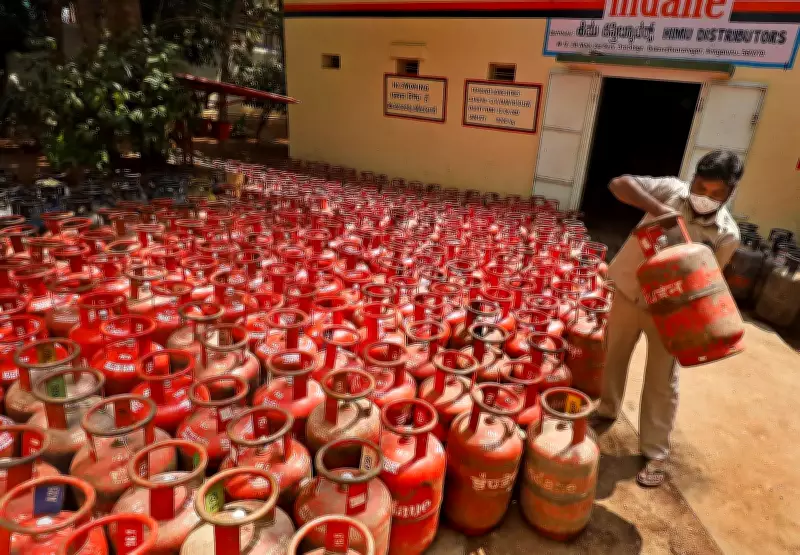
The escalating conflict between Israel and Iran is now directly impacting Indian households and businesses, particularly eateries and restaurants, as the country grapples with liquefied petroleum gas (LPG) supply disruptions. With India relying on imports for 60% of its LPG needs, the crisis in the Middle East has heightened concerns over energy security and prompted urgent government intervention.
Government Urges States to Fast-Track PNG Approvals
Amid rising anxiety over LPG supply flows, the Indian government is actively encouraging both residential and commercial users to shift towards piped natural gas (PNG). Officials have urged state governments to expedite approvals and reduce associated charges to facilitate a smoother transition for homes currently dependent on LPG cylinders.
According to an official cited in recent reports, states have been specifically asked to accelerate permissions for laying critical pipeline infrastructure and eliminate road restoration fees typically imposed by local authorities. This strategic move aims to overcome what officials describe as "structural constraints" that have historically slowed the expansion of PNG networks across the country.

Regulatory Relief Measures Implemented
The Petroleum and Natural Gas Regulatory Board has introduced temporary relief measures in response to what it terms "extraordinary circumstances" stemming from the ongoing Middle East conflict. Most notably, the board has waived imbalance charges for city gas companies, shippers, and consumers.
These charges are normally applied when the actual quantity of gas taken or injected by a shipper deviates from the scheduled amount on pipeline networks. The waiver represents a significant step toward stabilizing the energy sector during this period of international turmoil.
Specific Steps Outlined for State Implementation
Sujata Sharma, Joint Secretary at the Ministry of Petroleum and Natural Gas, detailed a comprehensive series of measures proposed to state governments during a recent presentation. The key recommendations include:
- Issuing deemed permission for all pending applications related to city gas distribution (CGD) pipeline laying
- Mandating approval of new CGD permissions within a strict 24-hour timeframe
- Waiving road restoration and permission charges levied by state or local authorities
- Relaxing restrictions on working hours and seasonal working limitations
- Appointing dedicated state nodal officers to provide support, coordination, and faster implementation
Wide Gap Between LPG and PNG Usage
The scale of the challenge becomes evident when examining current usage statistics. India currently boasts approximately 330 million active LPG consumers, while only about 10 million households and businesses utilize PNG connections. This substantial disparity highlights the significant infrastructure development required to achieve meaningful energy transition.
Hospitality Sector and Consumers Feel Immediate Strain
The hospitality industry is already experiencing tangible effects from LPG-related disruptions. The Hotel and Restaurant Association of Western India has formally approached the Maharashtra government seeking extensions or staggered payment options for annual license fees. The association reports that commercial LPG shortages have forced several establishments to temporarily cease operations.
In Patna, residents have reported delayed cylinder deliveries and instances where cylinders were marked as delivered but never actually received. These complaints have prompted district administration officials to intensify monitoring efforts, even as they maintain there is no official shortage declaration.
Industrial Impact Extends Beyond Hospitality
The ripple effects of the Middle East crisis extend to other critical industries as well. In Gujarat's Morbi region, approximately 430 ceramic manufacturing units are expected to remain shuttered for at least three weeks. According to industry representatives, the West Asia conflict has disrupted essential gas supplies required for manufacturing processes, demonstrating how geopolitical tensions can cascade through global supply chains.

As the situation continues to evolve, the Indian government's push toward PNG infrastructure represents both an immediate response to current disruptions and a longer-term strategy for enhancing domestic energy security. The success of these measures will depend heavily on state-level implementation and the duration of international tensions affecting global energy markets.