Middle East Gripped by Anxiety as US Considers Military Action Against Iran
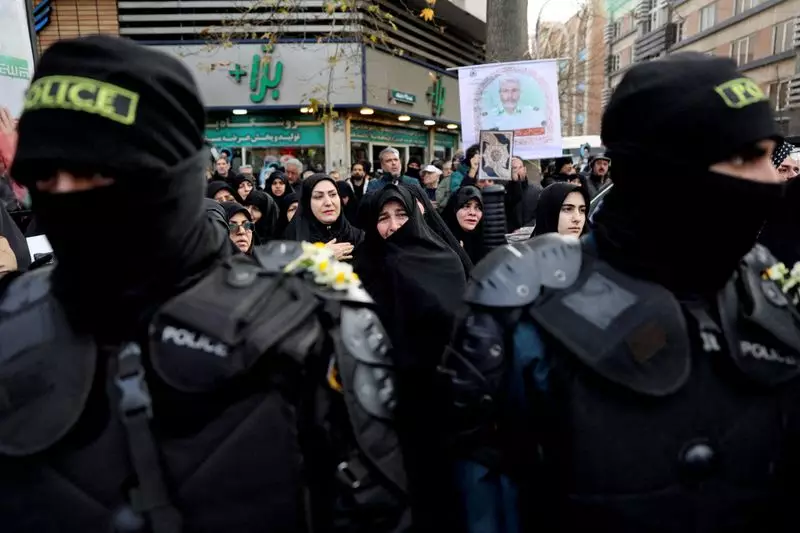
One month after mass protests swept through Iran, a palpable sense of worry and fear has enveloped the Middle East. The primary concern among regional nations and analysts is the potential for a United States military strike against Iran, a move that could dramatically escalate tensions and destabilize the already volatile region.
Protests as a Catalyst for Geopolitical Tensions
The widespread demonstrations in Iran, which began over a month ago, have not only highlighted internal dissent but have also intensified the geopolitical spotlight on the country. These protests, driven by various socio-economic and political grievances, have created a precarious situation. International observers note that the unrest has made Iran more vulnerable to external pressures, particularly from longstanding adversaries like the United States and Israel.
Regional governments and security experts are closely monitoring the situation, fearing that any miscalculation or aggressive action could spark a broader conflict. The memory of previous confrontations, such as the targeted killing of Iranian General Qasem Soleimani in 2020, looms large, reminding all parties of how quickly tensions can boil over into direct military engagements.

US Posture and the Specter of Military Strikes
The United States has maintained a firm stance against Iran, citing its nuclear program, support for militant groups, and human rights record. In the wake of the protests, there has been increased speculation in diplomatic circles and media reports about Washington considering more assertive measures. While official statements have been cautious, the possibility of a targeted strike—whether in response to Iran's nuclear advancements or as a show of force—has become a central topic of discussion.
Analysts suggest that such a strike could take various forms, from cyberattacks to limited airstrikes on key facilities. However, the risks are immense. A military intervention could:
- Provoke retaliatory attacks from Iran and its proxies across the region.
- Disrupt global oil supplies, leading to economic shocks.
- Alienate US allies who prefer diplomatic solutions.
- Exacerbate humanitarian crises in conflict-ridden areas like Yemen and Syria.
Regional Reactions and the Fear of Escalation
Countries across the Middle East, from Gulf states to Israel, are expressing deep concern. While some nations have historically supported a hardline approach against Iran, others fear being caught in the crossfire of a US-Iran confrontation. The region is already grappling with multiple conflicts, and an additional front could overwhelm existing security architectures.
Diplomatic efforts are underway to de-escalate tensions, with regional players urging restraint. However, the pervasive fear is that domestic political pressures in the US or a provocative move by Iran could trigger an irreversible chain of events. The uncertainty has led to increased military preparedness in several countries, further heightening the sense of impending crisis.
Looking Ahead: Implications for Global Stability
As the situation remains fluid, the international community watches with bated breath. The protests in Iran have not only exposed internal fissures but have also amplified external threats. The Middle East, a region perennially on the brink, now faces the daunting prospect of a major power confrontation that could reshape geopolitical alliances and economic stability worldwide.
In conclusion, the month since the Iran protests began has been marked by escalating anxiety over a potential US strike. The region stands at a critical juncture, where decisions made in Washington and Tehran could determine the course of peace or conflict for years to come. Stakeholders are calling for dialogue and de-escalation, but the shadow of military action continues to loom large, keeping the Middle East in a state of nervous anticipation.