Middle East Conflict Escalates Global Energy Crisis, Hong Kong Bears Brunt
The ongoing war in the Middle East has significantly driven up energy prices worldwide, affecting daily lives across the globe. As the crisis surpasses one month, oil prices have remained stubbornly above the $100 per barrel mark, sending ripples through international markets.
Global Oil Prices Surge Amid Regional Tensions
The sharp increase in global oil prices stems from escalating tensions involving oil-producing Gulf nations and disruptions to a crucial shipping corridor through the Strait of Hormuz. Over the past month, these factors have triggered a surge in oil costs, placing added pressure on Asian economies that heavily rely on energy supplies routed through the region.
While some countries are implementing measures to transition beyond fossil fuels, others are forced to raise prices, making everyday routines more expensive for consumers.

Hong Kong Grapples with World's Highest Petrol Prices
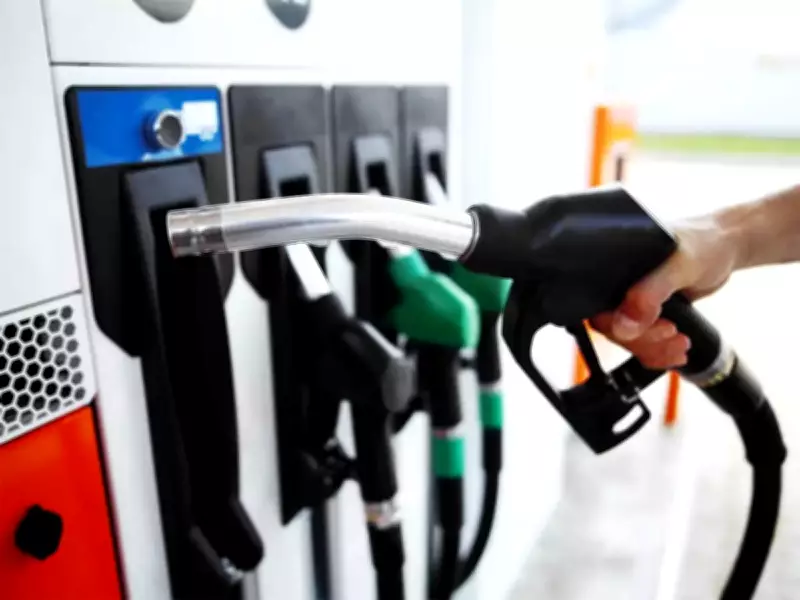
Residents in Hong Kong are contending with the highest petrol prices globally, as strained energy markets push costs upward. At approximately $15.6 per gallon, fuel in the city far exceeds prices seen elsewhere, even as motorists in the United States face their highest rates since 2022.
Data from GlobalPetrolPrices.com indicates that Hong Kong has consistently ranked as the most expensive place for petrol, even prior to the latest conflict involving Iran. This price hike is not new for the city, which had already been grappling with steep fuel costs.
Economic Impact Extends Beyond Motorists
Although private vehicles are owned by only about 8.4% of Hong Kong's 7.5 million residents, economists warn that the impact of rising fuel costs extends far beyond drivers. Increased logistics expenses are expected to filter through to other sectors of the economy, potentially contributing to broader inflation.
Government Reassures on Supply Stability
Authorities have sought to reassure the public regarding supply stability. Chief Executive John Lee expressed concern over rising oil prices and stated that the government would closely monitor market movements. Officials maintain that supply remains secure, with about 80% of Hong Kong's oil products sourced from mainland China.
A recent government press release highlighted, "With the advantage of having strong support from the motherland, Hong Kong has been able to maintain a stable energy supply amid energy shortages in many regions and cities around the world."
Cross-Border Fueling and Urban Trends
At the consumer level, the price disparity with mainland China is becoming increasingly apparent. Reports suggest more drivers are crossing the border to refuel, where petrol can cost as little as one-third of Hong Kong prices.
Hong Kong has long exhibited relatively low car ownership levels among major cities, influenced by high fuel prices, expensive parking, and steep vehicle registration fees. The city's extensive public transport network continues to serve as the primary mode of travel for most residents.
Experts note that a combination of high fuel duties and land costs keeps petrol prices elevated, reinforcing Hong Kong's position at the top of global fuel price rankings.