

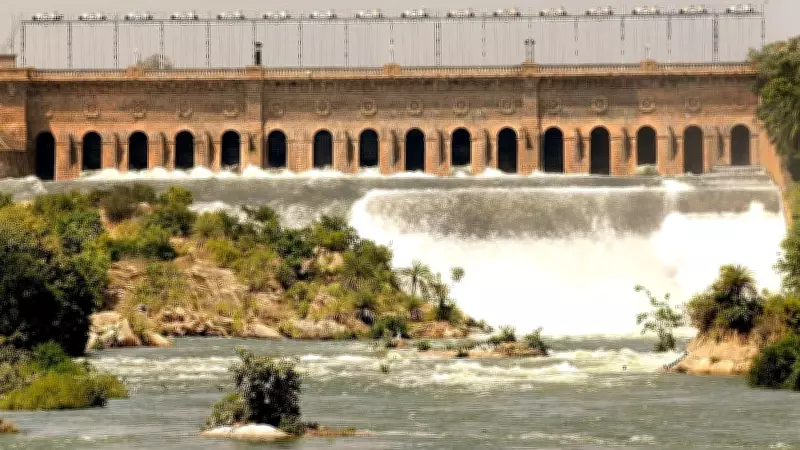
Mini Hydel Mega Damage: Elephants, Tigers and the Cauvery at Risk
The Cauvery River, a lifeline for millions in southern India, is facing a new threat from mini hydel projects. These small-scale hydroelectric plants, often touted as green energy, are causing significant damage to the river's ecology and the wildlife that depends on it.
Impact on Wildlife
Elephants and tigers, two flagship species of the region, are among the most affected. The construction and operation of mini hydel projects disrupt their habitats and migration routes. Elephants, in particular, rely on river corridors for movement, and these projects create barriers that can lead to human-elephant conflict.
Tigers, too, are impacted as their prey base diminishes due to habitat fragmentation. The loss of forest cover and alteration of water flow affect the entire ecosystem.

Ecological Consequences
Mini hydel projects divert water from the river, reducing flow downstream. This affects fish populations and other aquatic life. The reduction in water flow also impacts the river's ability to dilute pollutants, leading to water quality issues.
Furthermore, the construction of these projects often involves blasting and excavation, which can cause soil erosion and sedimentation. This harms aquatic habitats and can lead to the loss of spawning grounds for fish.
Regulatory and Governance Issues
Many mini hydel projects are approved without proper environmental impact assessments. There is a lack of oversight and monitoring, leading to violations of environmental norms. The cumulative impact of multiple projects on a single river is often ignored.
Local communities, who depend on the river for their livelihoods, are rarely consulted. Their traditional knowledge and concerns are overlooked in the rush to generate power.
Way Forward
There is an urgent need for a comprehensive review of mini hydel projects on the Cauvery. Environmental impact assessments must be rigorous and include cumulative impacts. Projects that pose significant risks to wildlife and river health should be halted or redesigned.
Alternatives to mini hydel, such as solar and wind power, should be promoted. These have lower ecological footprints and can meet energy needs without compromising river ecosystems.
Conservation of the Cauvery is not just about protecting a river; it is about safeguarding the livelihoods and heritage of millions. The time to act is now.






