

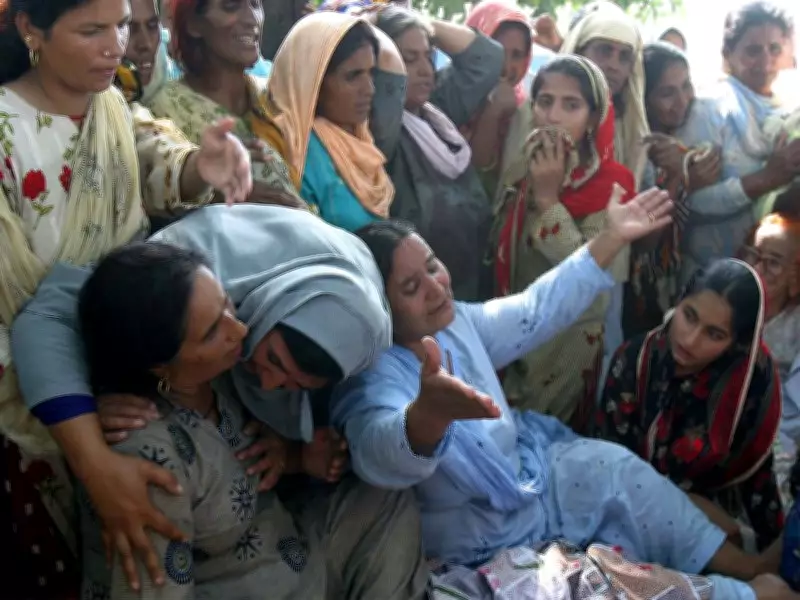
Minority Leader in Pakistan Demands Probe into Forced Religious Conversions
A prominent minority leader in Pakistan has issued a strong call for a comprehensive investigation into alleged forced conversions of religious minorities within the country. This demand underscores persistent human rights issues and concerns over religious freedom in Pakistan, where minority communities often face significant challenges.
Details of the Allegations and Demand for Action
The minority leader, whose identity has been highlighted in recent reports, has urged authorities to launch a formal inquiry into incidents where individuals from minority faiths are reportedly coerced into converting to the majority religion. These allegations point to a pattern of abuse and intimidation targeting vulnerable groups, including Christians, Hindus, and other religious minorities.
The call for a probe emphasizes the need for transparency and accountability in addressing such sensitive matters. It comes amid growing international scrutiny of Pakistan's human rights record, with various organizations documenting cases of forced conversions and related abuses.

Context and Implications for Religious Freedom
Pakistan, a predominantly Muslim nation, has a diverse population that includes several religious minorities. However, these communities frequently report discrimination, violence, and pressure to convert, often in the context of social or economic coercion.
- Forced conversions are said to occur in various regions, with some cases involving underage individuals or women from minority backgrounds.
- Activists argue that these practices violate fundamental human rights and Pakistan's own legal frameworks that ostensibly protect religious freedom.
- The minority leader's demand aligns with broader advocacy efforts by human rights groups seeking to highlight and combat such abuses.
This situation raises critical questions about the enforcement of laws and the protection of minority rights in Pakistan. Without effective investigation and intervention, forced conversions could continue to undermine social harmony and international perceptions of the country.
Response and Future Steps
As of now, there has been no official response from Pakistani authorities regarding the minority leader's demand. However, the issue is likely to draw attention from both domestic and international observers, potentially influencing policy discussions and human rights dialogues.
- Advocates hope that a probe could lead to greater awareness and legal action against perpetrators of forced conversions.
- There is also a call for stronger legislative measures to safeguard minority communities and ensure their rights are upheld without fear of coercion.
- Monitoring and reporting mechanisms may need enhancement to better document and address such incidents in the future.
In summary, the minority leader's demand for an investigation into forced conversions in Pakistan highlights ongoing struggles for religious freedom and human rights. It serves as a reminder of the need for vigilant protection of minority populations and adherence to international human rights standards.






