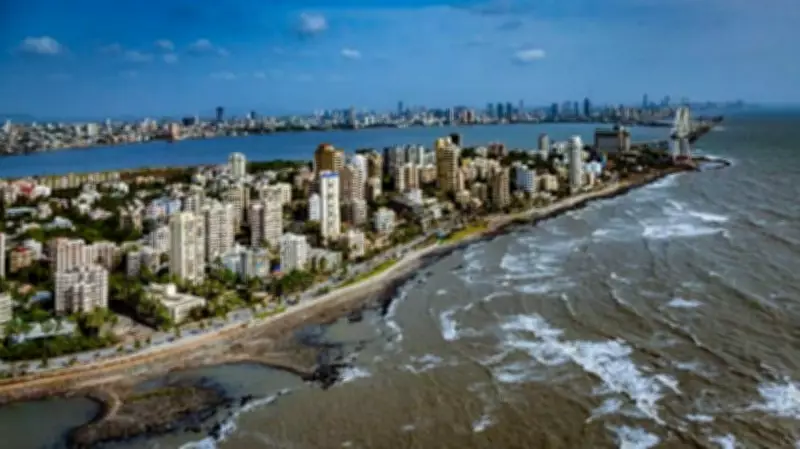
A recent report by the Fishery Survey of India (FSI) has revealed that the monsoon season is responsible for flushing nearly half of the total marine litter into the sea, with Mumbai's iconic Juhu and Versova beaches emerging as among the worst affected. The study, which assessed coastal cleanliness across the country, classified these two beaches as 'extremely dirty' under the Coastal Cleanliness Index.
Key Findings of the FSI Report
The FSI report, released on June 7, 2026, highlights that approximately 48% of the total marine litter enters the ocean during the monsoon months. This influx is primarily attributed to the heavy rainfall that washes garbage from rivers, drains, and coastal areas into the sea. The study further notes that the problem is particularly acute along the western coast of India, where rapid urbanization and inadequate waste management systems exacerbate the issue.
Mumbai Beaches in Focus
Mumbai's Juhu and Versova beaches, once popular tourist destinations, have been ranked among the dirtiest in the country. The Coastal Cleanliness Index, which evaluates beaches based on the density and type of litter, placed them in the 'extremely dirty' category. Common items found include plastic bottles, food wrappers, fishing nets, and other non-biodegradable waste. The report warns that such pollution poses a serious threat to marine life and public health.

Impact on Marine Ecosystem
The accumulation of marine litter has far-reaching consequences. Plastic debris is often ingested by fish, turtles, and seabirds, leading to injury or death. Moreover, the leaching of toxic chemicals from waste can contaminate the water, affecting both aquatic organisms and humans who consume seafood. The FSI emphasizes the need for immediate action to mitigate this environmental crisis.
Recommendations for Improvement
The report suggests several measures to address the issue:
- Strengthening waste management infrastructure in coastal cities, particularly during the monsoon season.
- Implementing stricter regulations on plastic use and promoting alternatives.
- Conducting regular beach clean-up drives with community participation.
- Enhancing public awareness about the impact of littering on marine ecosystems.
Government Response
In response to the findings, the Maharashtra government has announced plans to launch a comprehensive coastal cleanup initiative. The program will involve local authorities, NGOs, and citizen groups to tackle the problem. Additionally, the state aims to install more waste collection bins and improve drainage systems to prevent garbage from entering the sea during rains.
The FSI report serves as a stark reminder of the urgent need to address marine pollution. As the monsoon season progresses, the situation at Mumbai's beaches is likely to worsen unless concrete steps are taken. The classification of Juhu and Versova as 'extremely dirty' underscores the scale of the challenge, but also highlights the potential for collective action to restore these iconic shores.