

Mumbai Citizens Unite at Versova Beach in Major Environmental Protest
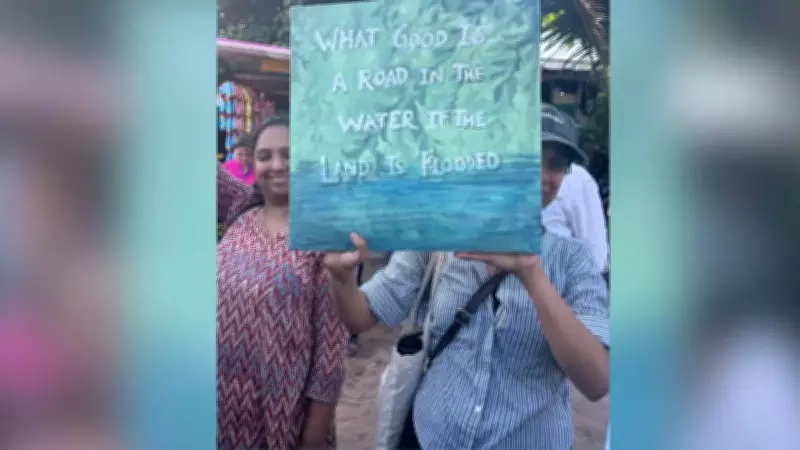
In a powerful display of environmental activism, nearly 300 concerned citizens converged at Versova Beach on April 12 for a peaceful demonstration titled "Green Mumbai Sunday." The event was organized to demand urgent protection for the city's vital mangroves, forests, and open green spaces, which are increasingly threatened by urban development projects.
Coalition of Environmental Campaigns
The protest was organized by Save Mumbai Mangroves and brought together participants from multiple ongoing environmental campaigns, including Save Aarey, Save SGNP, and various other citizen-led initiatives focused on safeguarding Mumbai's urban green cover. This coalition demonstrated the growing public concern about ecological degradation in India's financial capital.
Participants marched from the beach's main entrance to the Seven Bungalows rocks, raising powerful slogans against environmental destruction and urging authorities to prioritize sustainable development practices. The march culminated in a gathering featuring speeches, songs, and poetry performances all centered on environmental conservation themes.

Symbolic Human Chain and Community Voices
A particularly poignant moment occurred when protesters formed a human chain along the shoreline, symbolizing unity and collective resistance against ecological threats. Members of the Koli fishing community addressed the gathering, highlighting the devastating ecological and livelihood impacts of mangrove destruction.
"There are around 8-10 species of mangroves in this creek, many with medicinal properties," explained Mohit, a community member. "They are a treasure for the fishing community, and losing them to development would be a grave loss that would affect generations to come."
Background: The Versova-Bhayandar Coastal Road Project
The mobilization comes against the backdrop of the proposed Versova-Bhayandar Coastal Road, which received approval from the Bombay High Court in December 2025. This massive infrastructure project is expected to impact over 45,000 mangroves, raising serious environmental concerns among activists and local communities.
Speakers at the event alleged that local communities have not been adequately consulted in decision-making processes related to coastal and infrastructure projects, creating a democratic deficit in environmental governance.
Legal Developments and Future Action
On the legal front, while the Supreme Court has not intervened so far, activists revealed that fresh proceedings are being prepared on new grounds to challenge projects that threaten Mumbai's ecological balance.
Organizers emphasized that the April 12 gathering highlighted the critical need for sustained public engagement on environmental issues. "Development cannot come at the cost of survival," declared one participant, adding that the city's ecological future hinges on greater accountability from authorities and continued citizen action.
The event served as a reminder that Mumbai's environmental challenges require collaborative solutions that balance development needs with ecological preservation, particularly for vulnerable coastal ecosystems that support both biodiversity and local livelihoods.






