

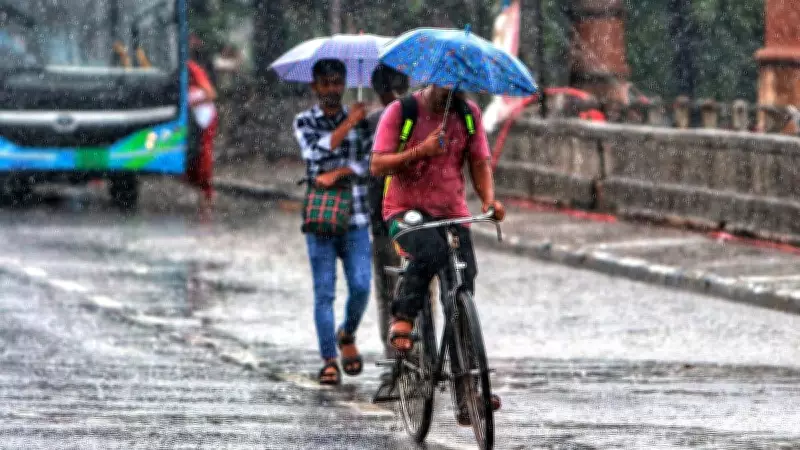
IMD Predicts Sub-Par Monsoon in 2026 After Two Years of Above-Average Rains
The India Meteorological Department (IMD) has issued a forecast predicting a below-normal monsoon for the year 2026. This projection comes after India experienced two consecutive years of above-average rainfall, marking a significant shift in weather patterns that could impact agriculture, water resources, and the broader economy.
Monsoon Rainfall Expected at 92% of Long-Period Average
According to the IMD's latest assessment, the monsoon season in 2026 is anticipated to reach only 92% of the long-period average (LPA). The long-period average serves as a benchmark for normal monsoon conditions, calculated based on historical data spanning several decades. A figure below 96% of the LPA is classified as below-normal, indicating potential shortfalls in precipitation across the country.
The monsoon, which typically makes its onset over the southern state of Kerala around June 1 and withdraws by mid-September, is a critical determinant of India's agricultural output and hydrological balance. The forecasted deficit could lead to challenges in crop yields, water availability for irrigation, and reservoir levels, affecting millions of farmers and rural communities.

Context of Previous Years' Rainfall
This prediction follows two years of above-average monsoon rains, which had provided relief from drought conditions and supported robust agricultural production. The shift to a below-normal forecast underscores the inherent variability and unpredictability of monsoon systems, influenced by complex climatic factors such as El Niño, La Niña, and global warming trends.
Meteorologists emphasize that while the overall percentage is concerning, regional variations may occur, with some areas potentially receiving adequate rainfall while others face deficits. The IMD plans to release more detailed updates as the monsoon season approaches, including regional forecasts and advisories for farmers and policymakers.
Potential Implications and Preparedness
A sub-par monsoon could have wide-ranging effects:
- Agricultural Impact: Reduced rainfall may affect kharif crop sowing, leading to lower yields of staples like rice, pulses, and oilseeds.
- Water Resources: Diminished precipitation could strain water supplies for drinking, irrigation, and industrial use, exacerbating existing water scarcity issues.
- Economic Consequences: Agriculture contributes significantly to India's GDP and employment; a poor monsoon might slow economic growth and increase food inflation.
- Environmental Factors: Changes in rainfall patterns could influence soil moisture, groundwater recharge, and ecosystem health.
Authorities are urged to enhance preparedness measures, including promoting water conservation, optimizing irrigation techniques, and developing contingency plans for drought-prone regions. The forecast highlights the need for adaptive strategies to mitigate the impacts of climate variability on India's monsoon-dependent sectors.
Published on April 13, 2026, at 11:33 IST, this forecast is based on data and analysis from the India Meteorological Department, with inputs from Reuters.






