

Mumbai Coastal Road Project Sparks Fresh Clash as Mangrove Cutting Begins in Charkop
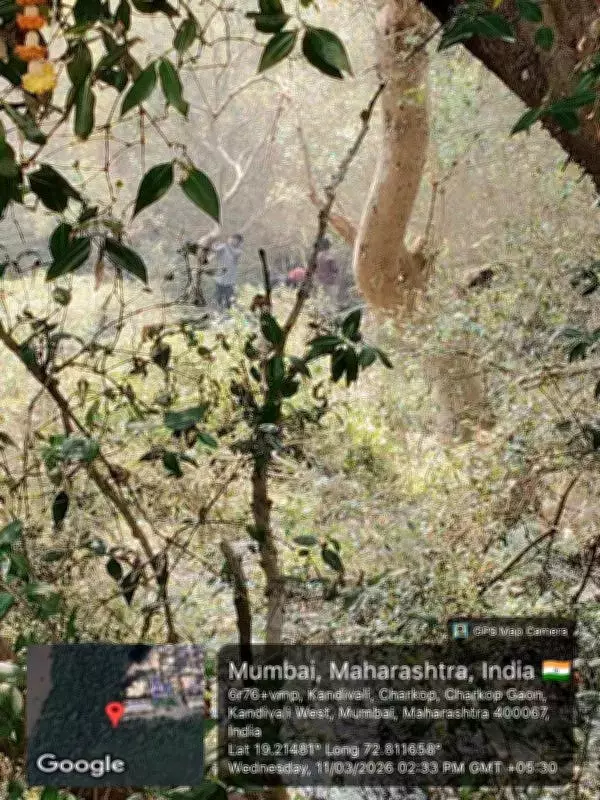
In a move that has ignited immediate controversy, authorities in Mumbai initiated the 'priority' cutting of mangroves at Charkop in Kandivali on Wednesday. This action comes barely a week after residents staged street protests against the proposed felling of nearly 45,000 mangroves for the Mumbai Coastal Road (North) project. The decision has drawn sharp criticism from local leaders, environmental activists, and concerned citizens who fear long-term ecological damage.
Political and Public Opposition Mounts
UBT Shiv Sena leader and Worli MLA Aaditya Thackeray swiftly condemned the move, stating that local office bearers had halted the work temporarily. "Stopped the work today by our local office bearers. This indiscriminate hacking of mangroves cannot be allowed!" he asserted. Thackeray highlighted the city's recent record temperatures, with Mumbai hitting 40 degrees Celsius in March, and accused the government of risking desertification. Residents from nearby areas, including Charkop, expressed anger over the lack of prior notification, with many rushing to the site to voice their concerns.
Official Procedures and Environmental Safeguards
Officials from the Maharashtra Mangrove Cell arrived at the location to begin the preparatory activities for the coastal road extension. SV Ramarao, Additional Principal Chief Conservator of Forests and head of the Maharashtra Mangrove Cell, explained that the process would be conducted in phases due to the slushy terrain. "The area is slushy, so it is difficult to estimate how long the work will take. Before any work begins, the entire stretch will be demarcated in phases. The mangroves that are trimmed or cut will be geotagged," he said. This geotagging exercise aims to ensure proper documentation and monitoring of the affected mangroves, with authorities claiming all necessary statutory permissions have been secured.

Ecological Concerns and Project Details
Residents have repeatedly warned about the ecological impact, noting that mangroves serve as natural buffers against flooding and coastal erosion. Last week's protests underscored these fears, with activists emphasizing the potential for long-term environmental consequences. The Mumbai Coastal Road (North) project, also known as the Versova Dahisar Link Road (VDLR), involves a 22-kilometre alignment featuring roads on land, elevated sections, stilts, a cable-stayed bridge, and a tunnel beneath a creek. Of the approximately 60,000 mangroves in the influence zone, around 45,000 are impacted, with about 9,000 set to be permanently cut. The project is estimated to cost over Rs 20,000 crores and covers an alignment area of 103 hectares.
Compensatory Measures and Future Plans
To mitigate the loss, compensatory afforestation will be carried out on a land parcel in Bhayander, located on the outskirts of Mumbai. Additionally, a non-forest area in Chandrapur along the Tadoba forest will be used for plantation, which officials state is supplementary to the Bhayander efforts. Despite these measures, residents like Milli Shetty, a Charkop local, expressed frustration over the lack of communication, noting that a WhatsApp group with civic engineers and contractors had been formed to keep them informed, but they were not alerted about the mangrove cutting commencement.
The ongoing dispute highlights the tension between urban development and environmental preservation in one of India's most populous cities, with stakeholders calling for greater transparency and consideration of ecological sustainability in infrastructure projects.






