Mumbai Swelters as March Temperature Soars to 38.7°C, 5.7°C Above Normal
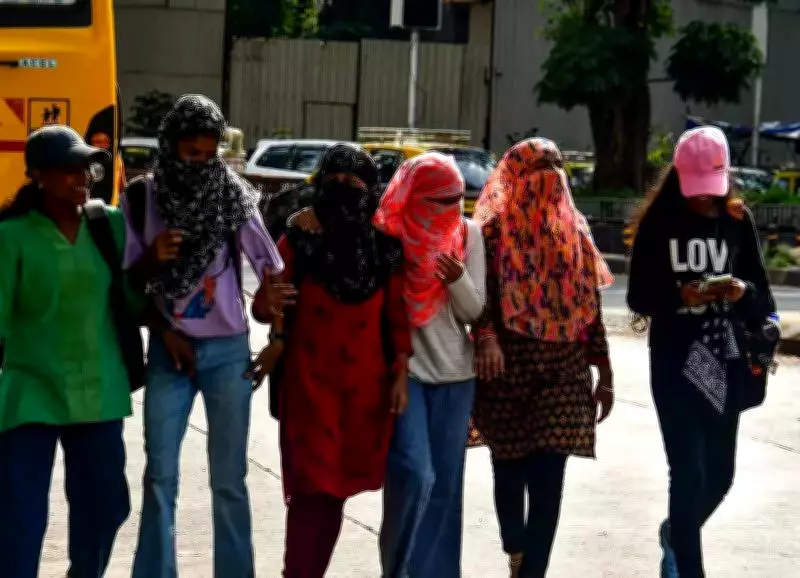
Mumbai barely turned the calendar to March before summer arrived with a jolt. On Wednesday, the city sweltered as the India Meteorological Department's Santacruz observatory logged a maximum temperature of 38.7°C, which was a sharp 5.7°C above normal, making it the highest day temperature recorded this year so far.
Dramatic Temperature Spike
Wednesday's temperature spike was dramatic. Just a day earlier, Santacruz recorded a relatively modest 33.7°C, about 1°C above normal. By Wednesday afternoon, the jump left residents scrambling for shade and air-conditioned refuge, signalling an unusually aggressive start to the summer season.
The IMD's Colaba observatory recorded a maximum of 35.7°C, which was 4.5°C above normal. On Tuesday, Colaba clocked 30.6°C, close to seasonal averages.

IMD Issues Yellow Alert
The IMD issued a yellow alert for Mumbai, Thane, Palghar, and Raigad, warning of hot and humid conditions in isolated pockets. No heatwave warning was sounded. IMD scientist Sushma Nair explained that the technical criteria for declaring a heatwave were not met.
"A heatwave is declared only when temperatures touch 37°C or more for two consecutive days with a departure of at least 4.5°C," she said, adding that the current spike was driven by an anticyclonic circulation over the region that brought in dry north-easterly land breezes and delayed cooling sea winds.
Impact on Animals and Residents
As the mercury climbed, the impact was felt beyond human discomfort. At Byculla Zoo, preparations for peak summer were already underway. Zoo officials said fruit-eating animals, including sloth bears and monkeys, are generally given fruit popsicles, while carnivores, like leopards and hyenas, are cooled with frozen meat treats to help them cope with the heat during the summer months.
Independent Forecasters Weigh In
Independent weather forecasters said the official numbers may still be understating what much of Mumbai is experiencing. Abhijit Modak said while Santacruz recorded 38.7°C, around 5°C above normal, nearly 90% of the city reported similar heat.
"Mumbai often misses an official heatwave tag because one of the two key IMD stations is at Colaba, which is surrounded by the sea on three sides. The maritime influence there keeps temperatures lower. Even today, Colaba stayed at 35.7°C," he said.
Modak pointed out that the other major IMD station at Santacruz heats up sharply when the sea breeze is delayed, but there are no IMD stations in some of the city's hottest eastern suburbs such as Chembur, Ghatkopar, Mulund or Thane.
"As a result, even when most of Mumbai experiences heatwave-like conditions, the official criteria often remain unmet, and the true intensity of the heat goes underrepresented," he said, adding that similar conditions could persist on Thursday as well.
Factors Behind the Heat Surge
Another independent forecaster, Rushikesh Agre attributed the sudden surge to a combination of factors.
"Delayed sea breeze along the coast, coupled with hot north-easterly winds from interior Gujarat and north Maharashtra, is driving strong heating through late morning and early afternoon," he said, adding that the absence of western disturbances or pre-monsoon convective activity also meant there was little cloud cover or atmospheric relief, allowing the heat to build and linger.
Historical Context
The all-time highest day temperature recorded by IMD Santacruz observatory, representative of Mumbai, for the month of March was 41.7°C on March 28, 1956. March to May are considered summer months for the city.
This early heatwave-like condition has raised concerns among residents and authorities alike, with many bracing for a potentially harsh summer ahead. The combination of delayed sea breezes and hot inland winds has created a perfect storm for elevated temperatures across the metropolitan region.