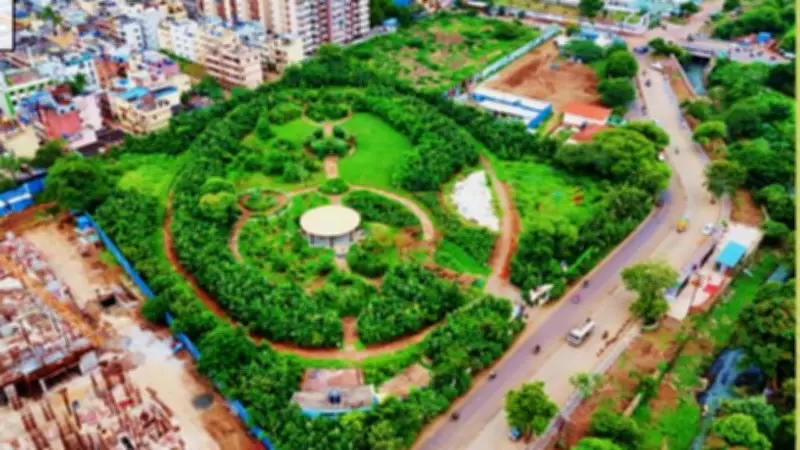
Mumbai's First Public Urban Forest to Transform 3.2-Acre Marol Plot into Green Oasis
The Brihanmumbai Municipal Corporation (BMC) has embarked on an ambitious project to create Mumbai's first public urban forest on a 3.2-acre recreation ground in Marol, Andheri (East). This initiative aims to convert an underutilized plot along the Mithi River into a vibrant green space that combines ecological restoration with public recreation, addressing both environmental and community needs in the densely populated city.
Strategic Location and Current Status
The selected plot, measuring 12,964 square meters and reserved as a recreation ground (ROS 1.4) under the Development Plan, currently remains largely undeveloped despite hosting approximately 150 trees. This underused area in the neighborhood presents a prime opportunity for transformation into a nature interactive center that will serve as a model for urban environmental projects.
Project Vision and Planning History
According to Nitin Shukla, assistant municipal commissioner of K East ward, the planning department initially proposed including this plot in the second phase of Mumbai's urban forest project, but those plans did not materialize. "Subsequently, it was decided to explore developing the plot through corporate social responsibility (CSR) funding instead. We have received CSR funds and work has begun," Shukla explained, highlighting the innovative financing approach for this public initiative.

Biodiversity-Focused Design Features
The proposed urban forest will feature a comprehensive ecosystem design including:
- A Miyawaki forest patch for dense, native tree growth
- Dedicated bird habitat zones to support local avian populations
- A bamboo arboretum showcasing various bamboo species
- Native grasslands supporting indigenous plant life
- Butterfly gardens to attract and sustain pollinators
- Sacred groves preserving traditional ecological knowledge
- Medicinal plant zones highlighting therapeutic flora
This diverse ecological design aims to create a rich habitat for both flora and fauna while serving as an educational resource for visitors.
Public Amenities and Recreational Facilities
Beyond its environmental functions, the urban forest will include numerous public amenities designed to serve all age groups:
- Natural walking pathways through the green spaces
- Children's play areas with age-appropriate equipment
- Open lawns for relaxation and community gatherings
- Open-air fitness zones for exercise enthusiasts
- Seating spaces specifically designed for senior citizens
- Specially designed gardens catering to both children and the elderly
- A toddler zone for children below two years of age
Community Demand and Political Support
Local MLA Murji Patel recently wrote to the BMC emphasizing the need for this development, stating that although the land parcel exists, it currently remains unusable for residents in his constituency. Patel advocated for transforming the space into an accessible open area that would benefit the public, reflecting broader community demand for improved green infrastructure in Mumbai's urban landscape.
Environmental Significance and Climate Context
Deputy municipal commissioner Vishwas Mote highlighted the project's importance in addressing climate challenges: "Projects like these are the need of the hour. Apart from benefiting the environment, they will also help residents in the area, as the park will include public amenities that promote outdoor activity and community interaction."
Mote emphasized that such green initiatives serve dual purposes—enhancing urban biodiversity while providing essential recreational spaces that improve quality of life and public health outcomes.
Implementation Timeline and Challenges
Pradeep Tripathi, founder of the NGO Green Yatra, which is implementing the project through CSR funding, outlined the implementation process: "The timeline is mainly because the plot has a large amount of debris that needs to be cleared before plantation can begin. After plantation, we also need the trees to grow to a certain height before opening the space to the public, so that they can withstand possible damage."

Tripathi further explained that the planting plan includes flowering trees and species that attract birds throughout the year, ensuring year-round ecological activity and visitor interest. The careful phasing approach reflects the project's commitment to creating a sustainable, resilient green space that can thrive in Mumbai's urban environment.
This urban forest project represents a significant step forward in Mumbai's environmental planning, demonstrating how underutilized urban spaces can be transformed into valuable ecological and community assets through innovative partnerships between municipal authorities, NGOs, and corporate funders.